First Two Parks of Summer
Carlsbad Caverns & Guadalupe Mountains
We’re back on the road for our Summer 2026 adventures! This year, our goal is to visit the remaining national parks in the continental U.S. that we haven’t explored yet. After spending some wonderful time with friends in Texas, we made our way to Whites City, New Mexico, to check off the first two parks on this summer’s itinerary—parks number 49 & 50.
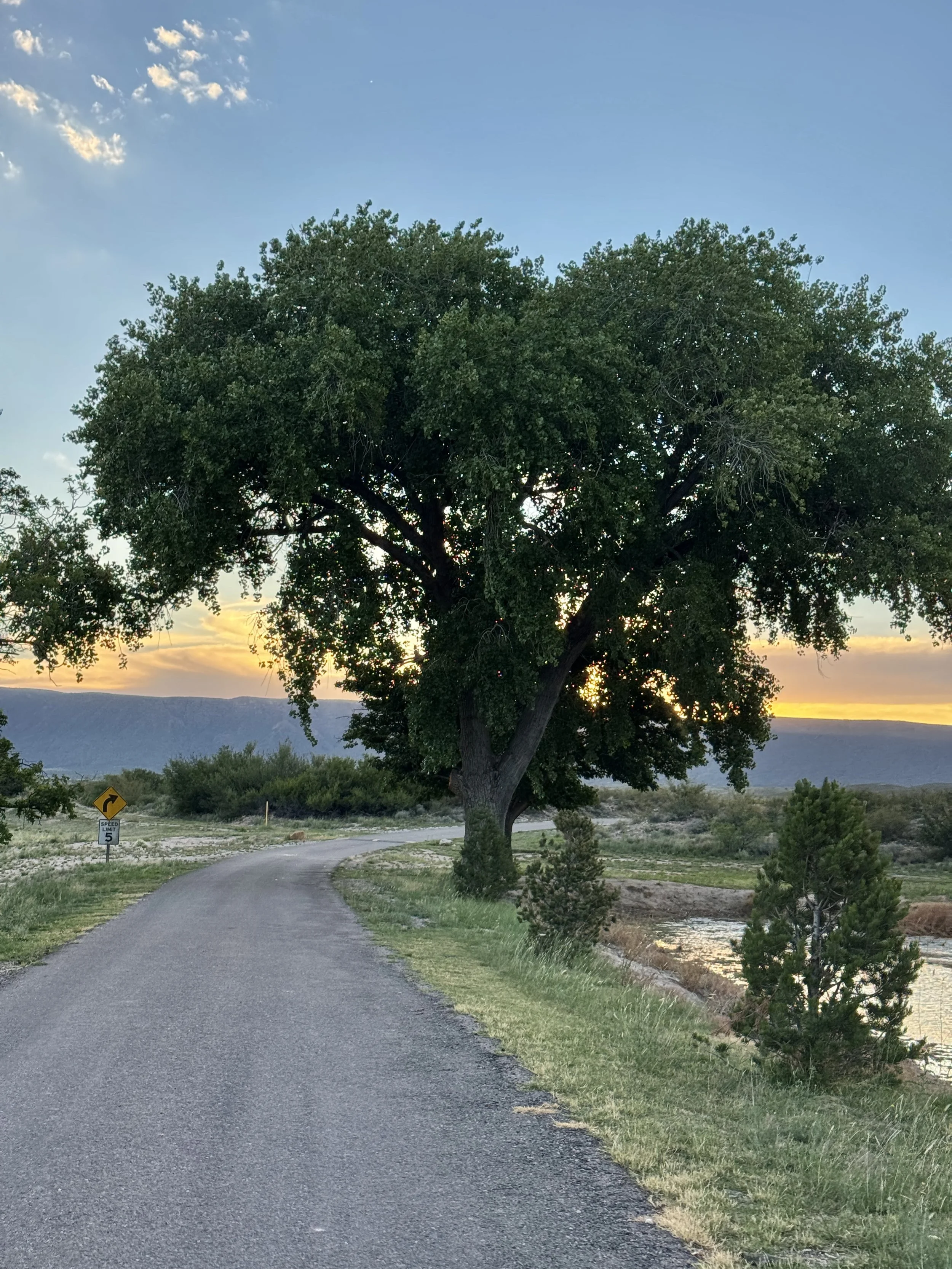
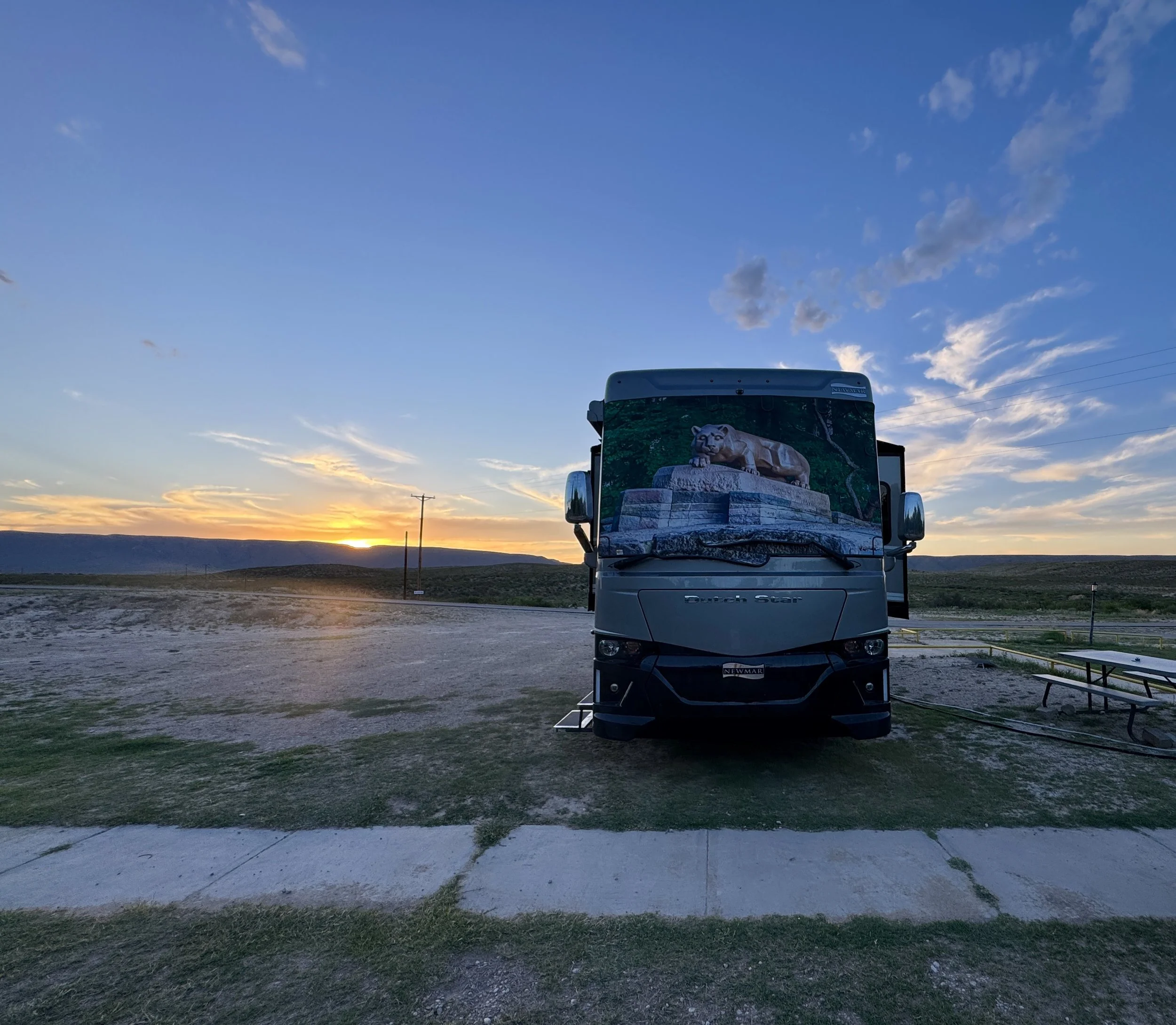
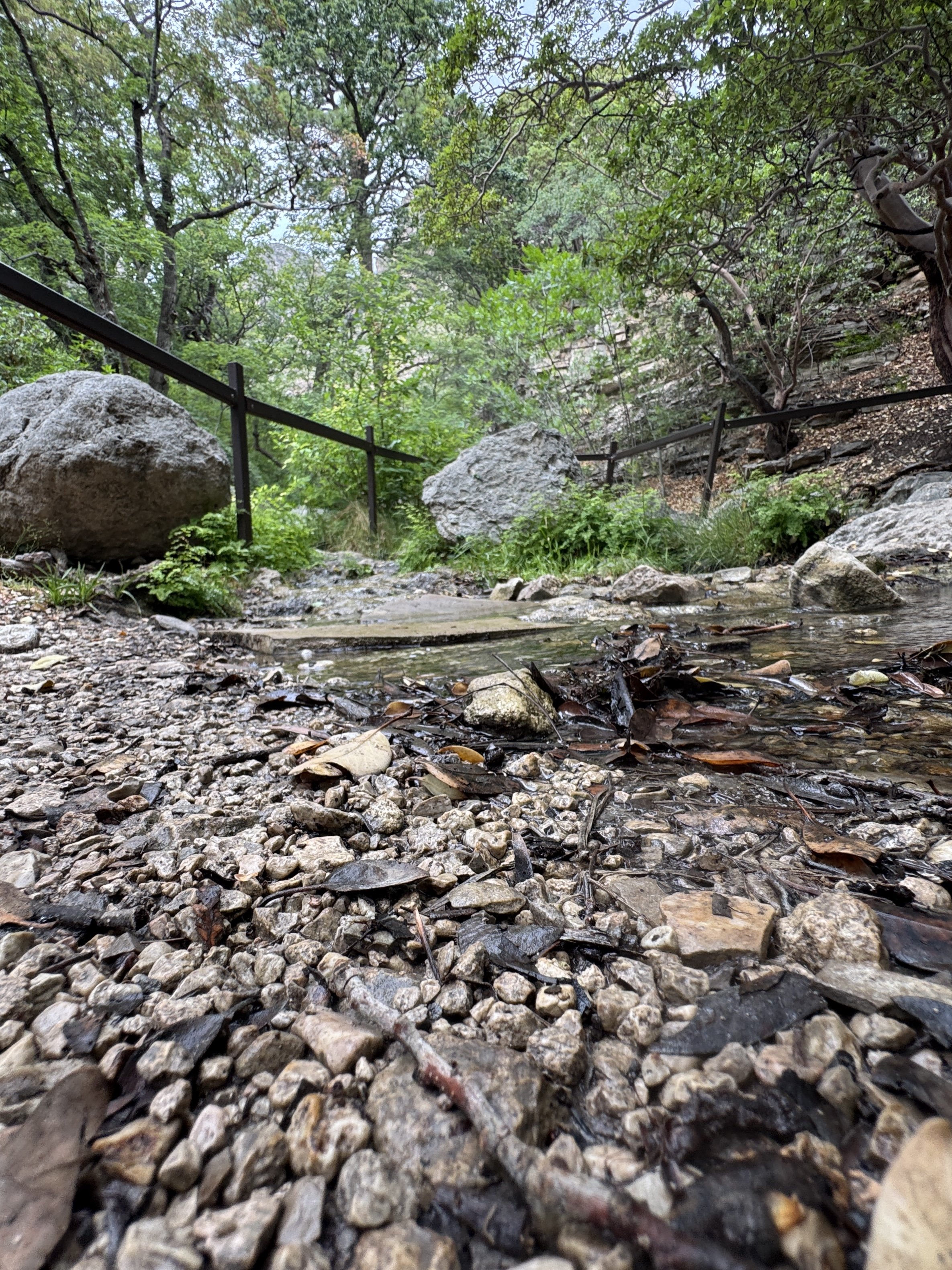
Steve found us the perfect RV basecamp at Camp Washington Ranch, a hidden oasis in the middle of the Chihuahuan Desert. The ranch area has a few spring-fed ponds, lush green grass, and beautiful mature trees that seem completely out of place in the desert landscape. With only three RV sites offering partial hookups, it's small and quiet, but the scenery and peaceful atmosphere make it one of the most memorable places we've stayed.
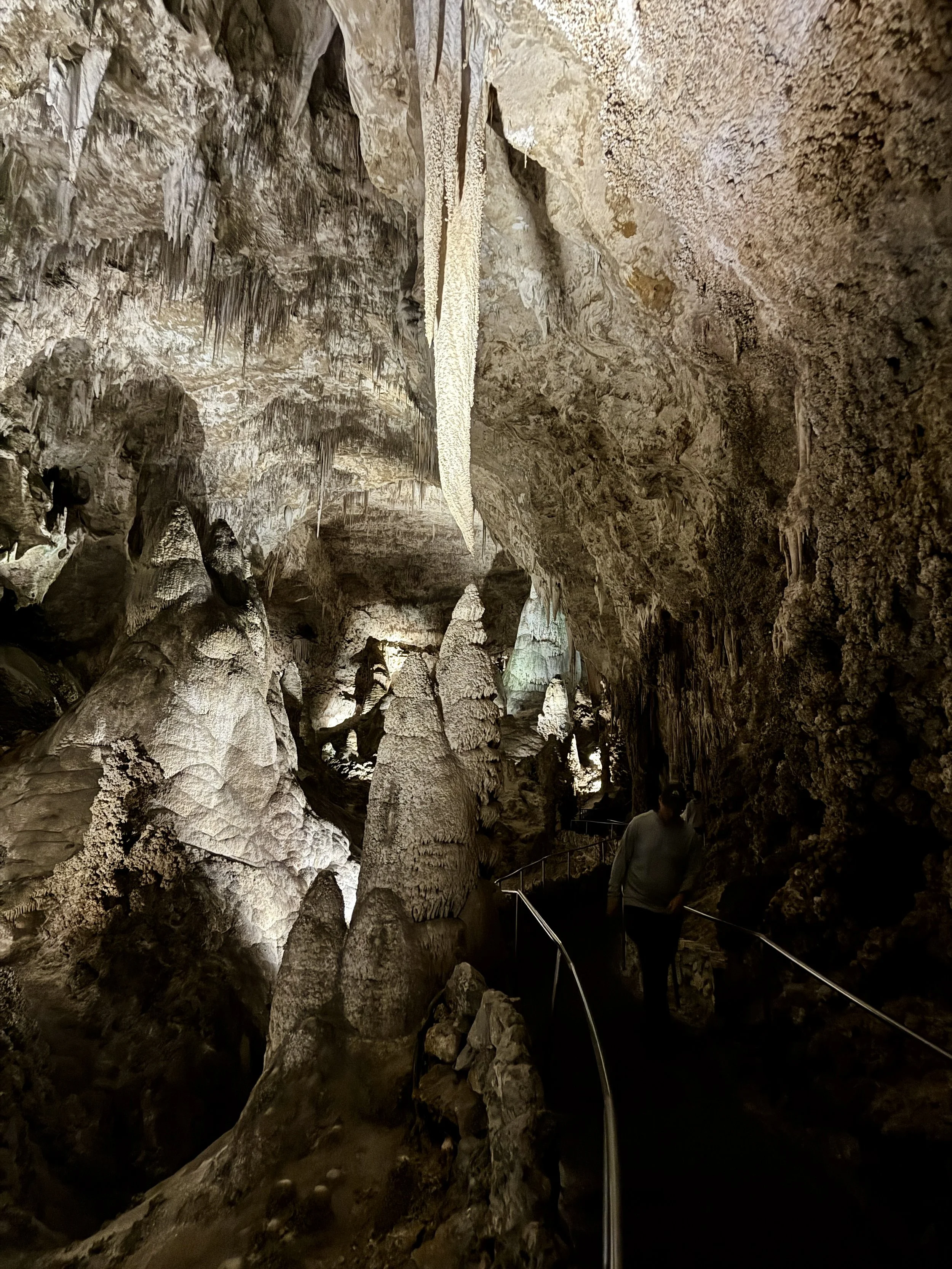
Our first morning had us heading to Carlsbad Caverns National Park, and it became my favorite cave visit. Unlike many caves that can only be visited on a guided tour, Carlsbad allows you to explore at your own pace with a timed entry reservation. Once your entry time arrives, you can either take the elevator down to the Big Room or hike in through the Natural Entrance Trail. We chose the Natural Entrance, a 1.25-mile paved trail that descends about 750 feet through a series of switchbacks.
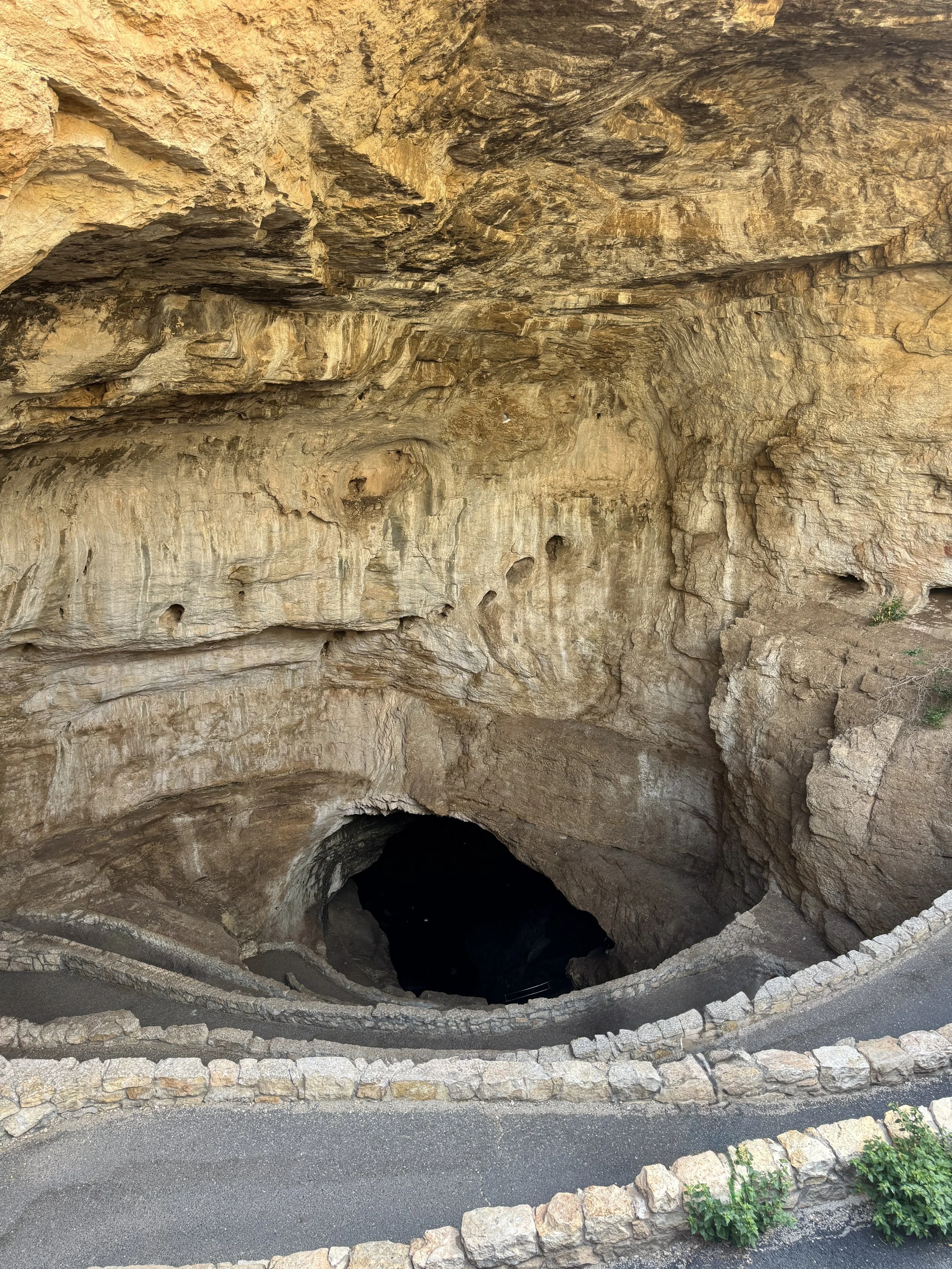
path into natural entrance
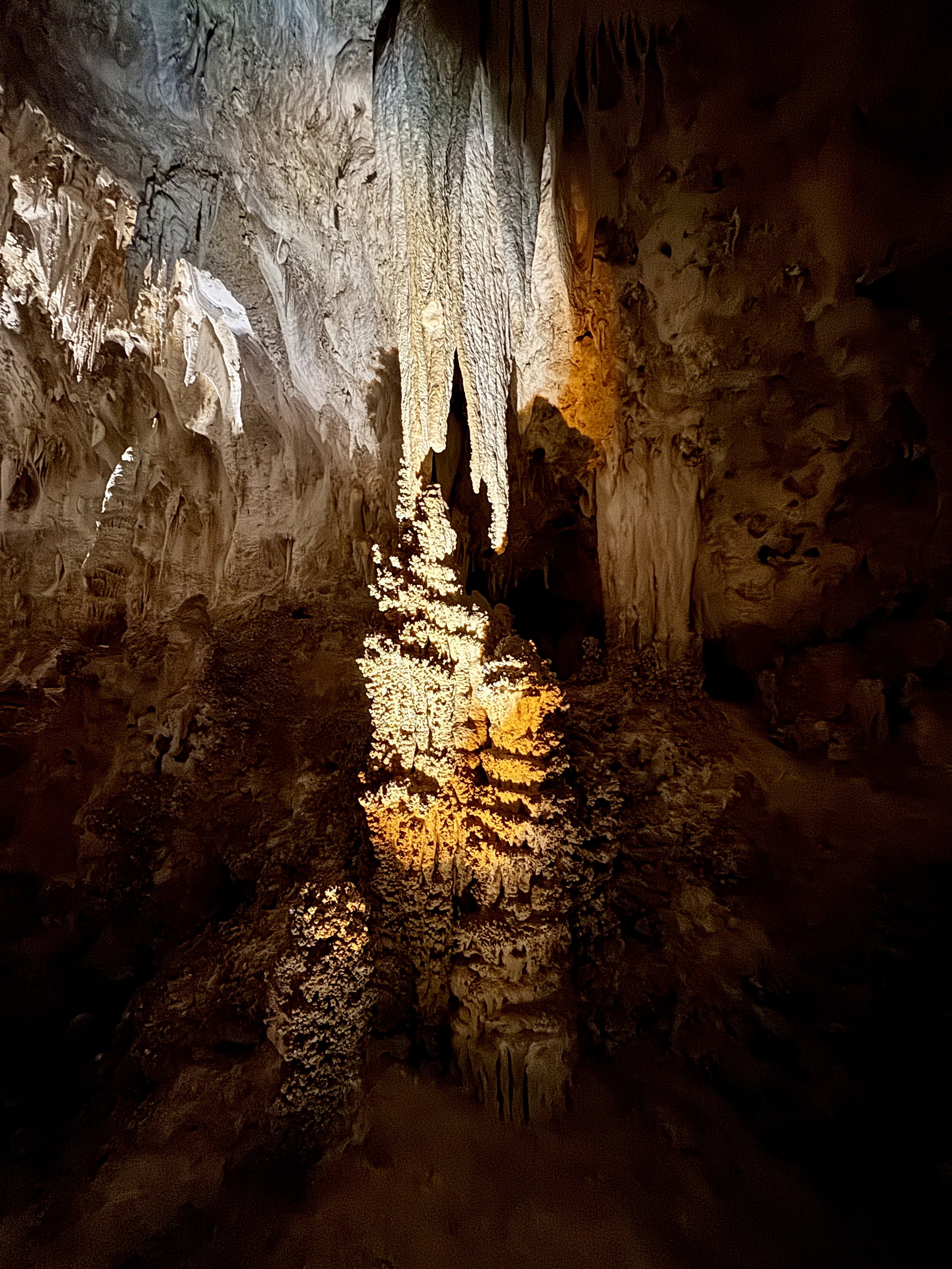
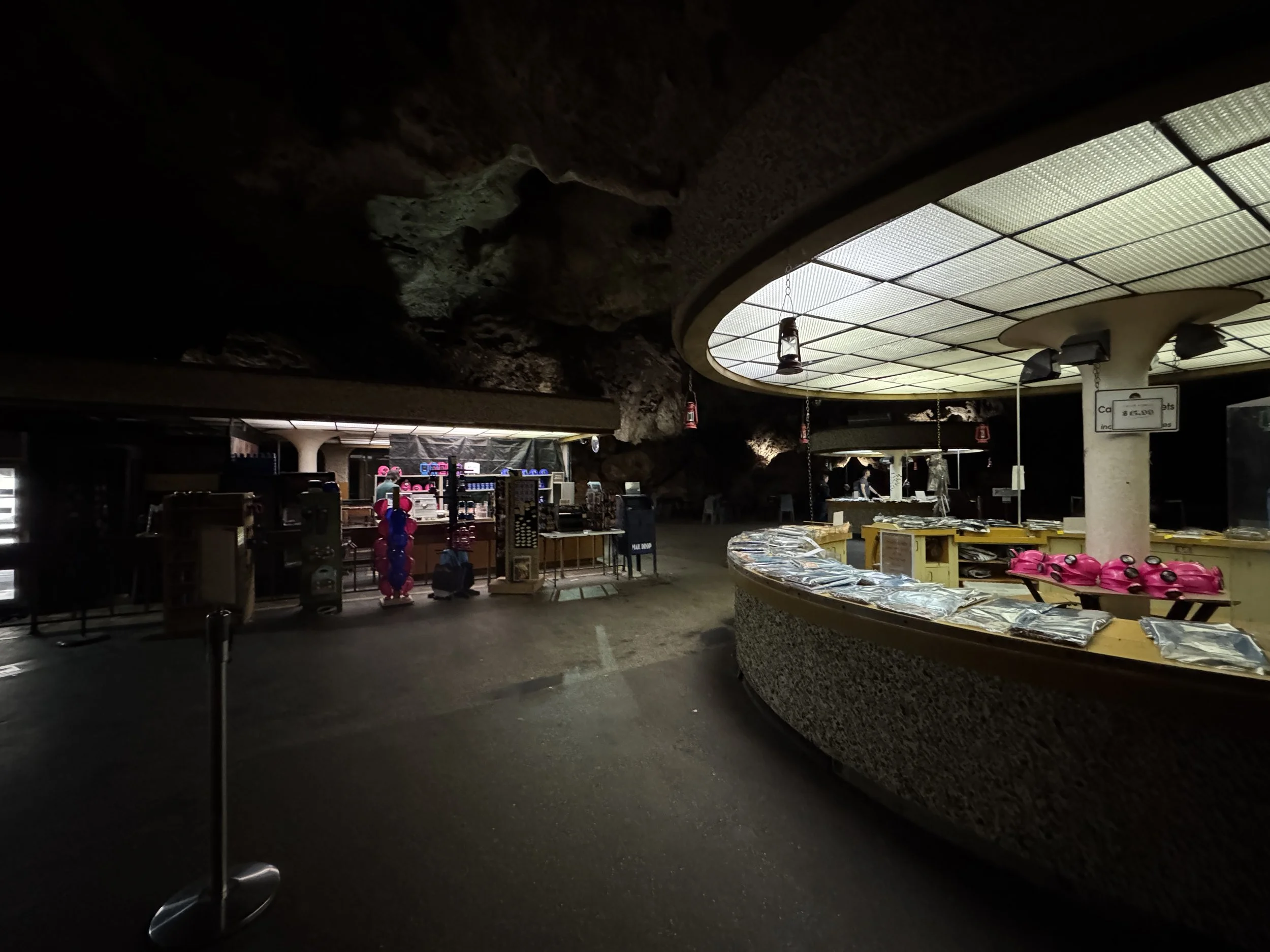
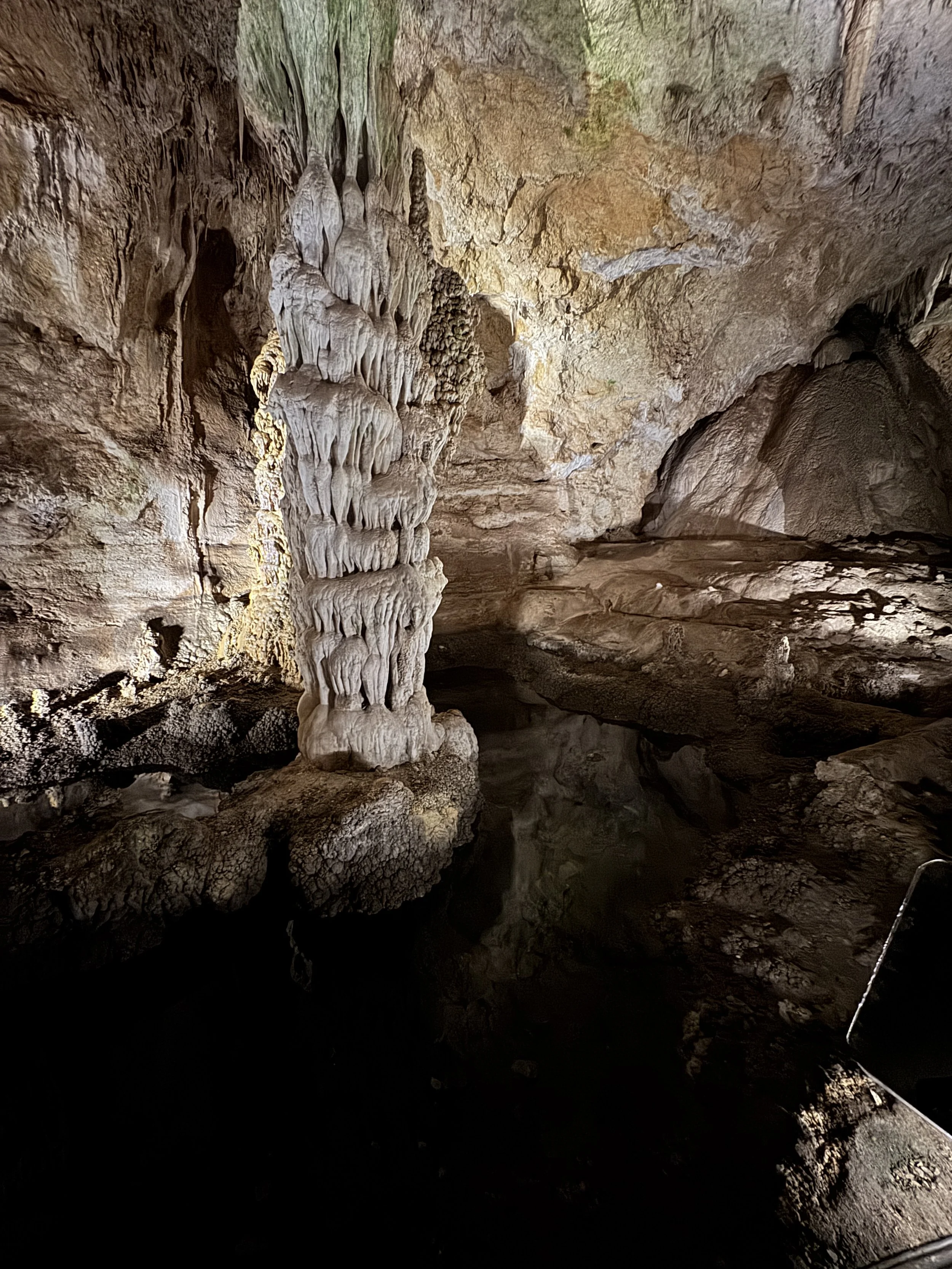
The path is lined with railings and softly lit, making it easy to follow while still preserving the cave's darker atmosphere. As you make your way down, you'll pass the opening to a cavern where hundreds of thousands of Brazilian free-tailed bats roost. It's mostly hidden in the darkness, but you can definitely smell the guano, a reminder that this incredible cave is also home to a thriving wildlife population. In fact, sections of the trail occasionally are closed for cleanup. The Natural Entrance Trail eventually connects to the famous Big Room loop, and the name is well deserved. The massive chamber covers nearly eight acres, and the loop trail itself is another 1.25 miles. If you hike in through the Natural Entrance and complete the entire Big Room loop, plan on spending about 1½ to 2 hours underground, depending on your pace and how often you stop to admire the incredible rock formations. And yes, if you need a break, there are restrooms, a gift shop, and even a café right inside the cave!
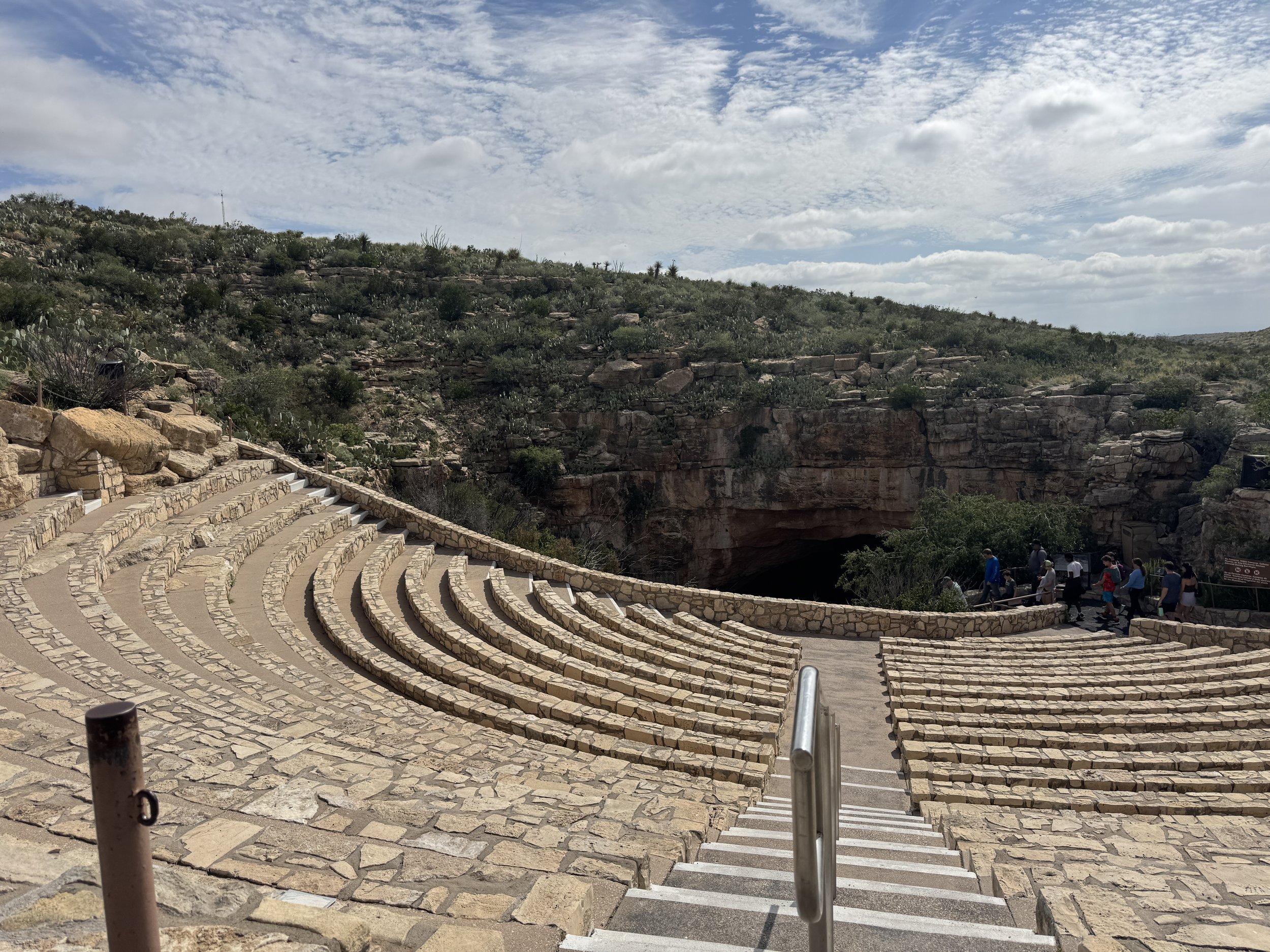
No matter what time you choose to explore the cave, make sure you come back on a clear evening for the Bat Flight Program. A small amphitheater overlooking the Natural Entrance is where rangers gather visitors to watch one of Carlsbad Caverns' most incredible natural events. Be sure to check with the ranger station or the park website for the start time, since it changes with the sunset. The night we visited, the posted time was 7:15pm. The ranger explained that they intentionally list the program 15 minutes early to make sure everyone is seated before the bats emerge, so definitely arrive at the posted time and not later, because you might miss the main event. For those 15 minutes, the ranger was taking questions—just not about bats. She was to start the bat talk at 7:30 but then, at 7:28pm, everything changed. A dark swirl began rising out of the cave entrance. The bats had decided to leave earlier than expected, and the planned talk was instantly forgotten. We sat in silence as hundreds of thousands of bats spiraled upward like a giant black tornado before peeling away into a long stream across the evening sky. The steady flow continued for about 15 minutes, and it was peaceful and surreal to watch. To protect the bats and preserve the experience, the park does not allow photos or videos, and all electronic devices must be turned off. It forces you to simply be there and take it all in.
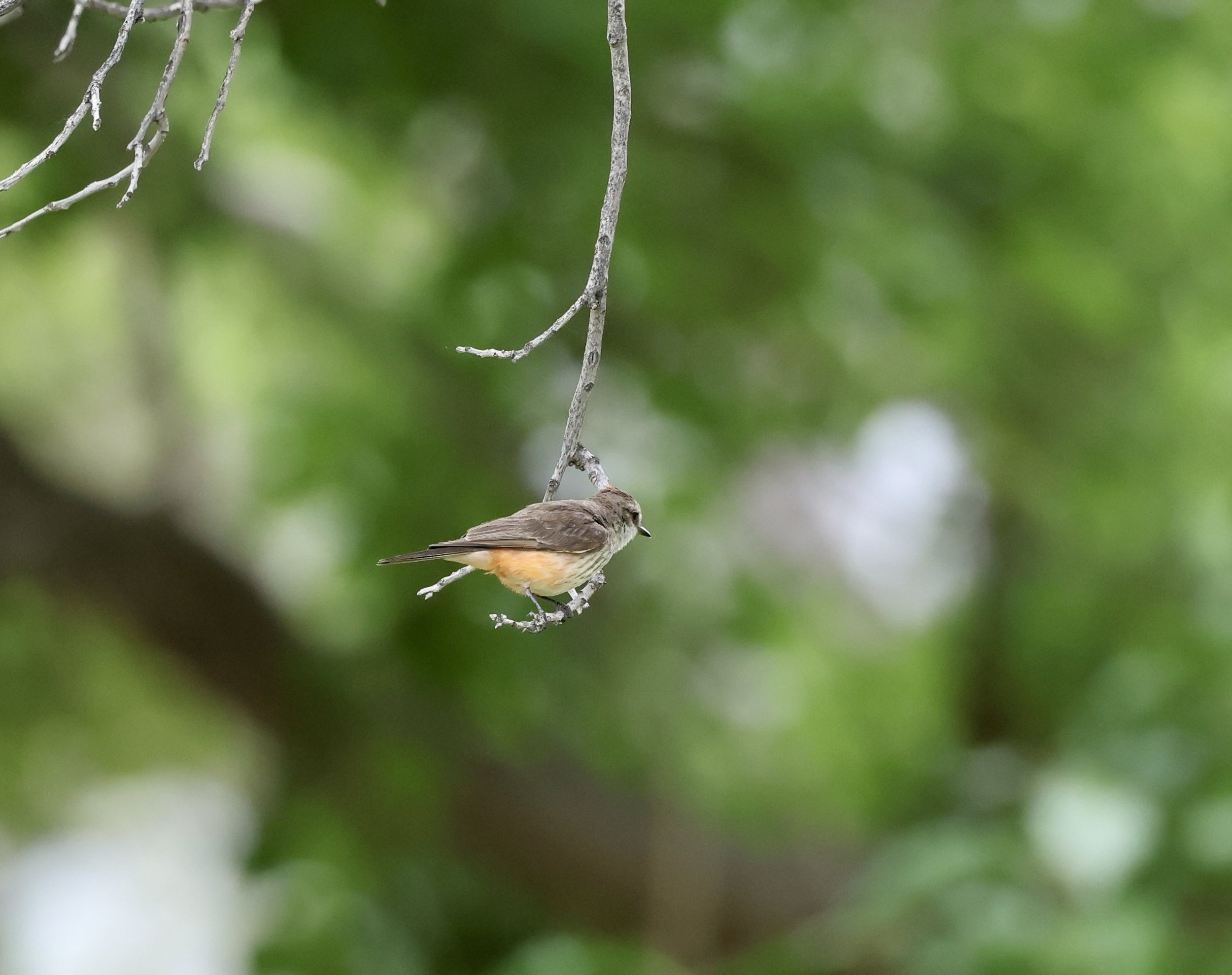
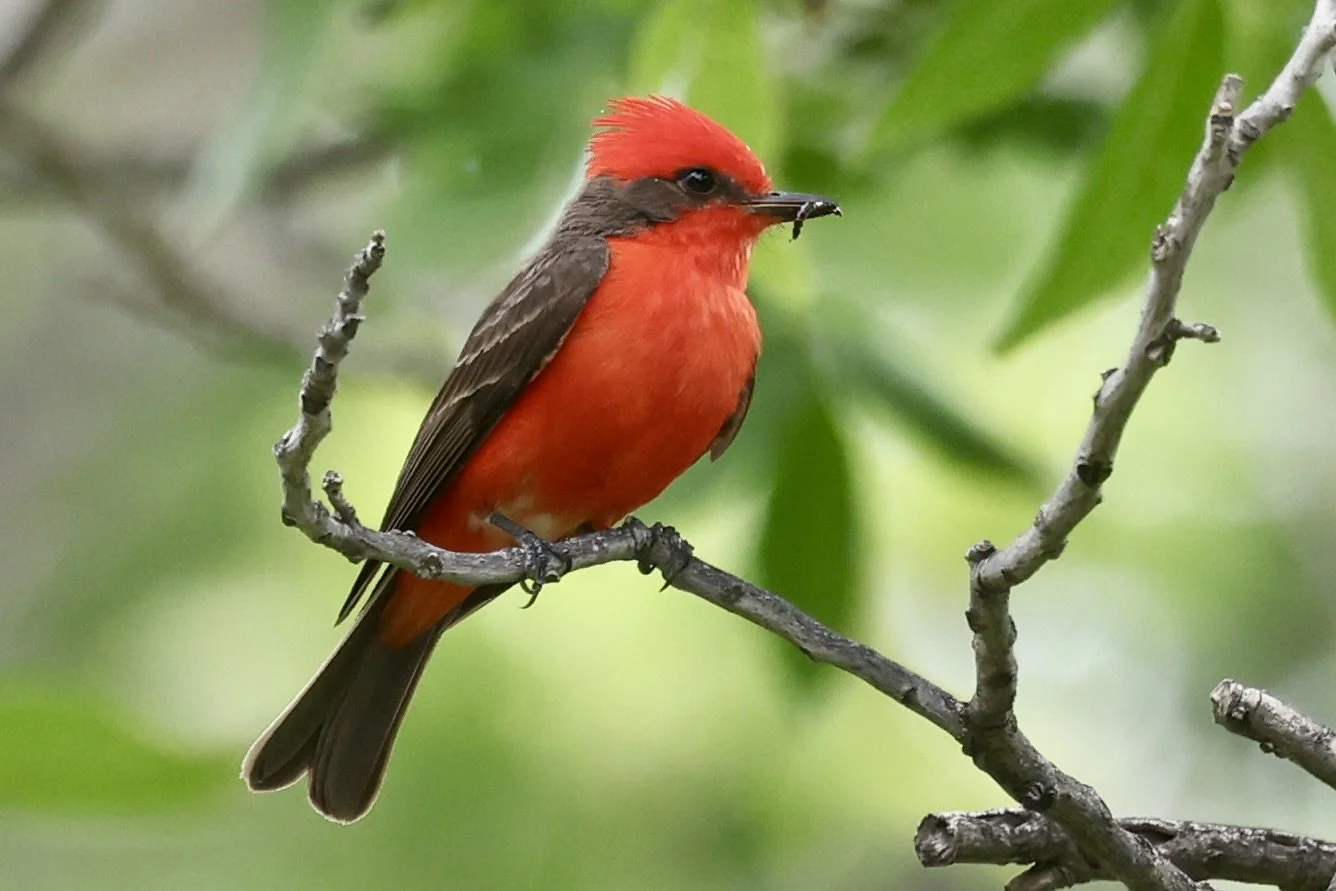
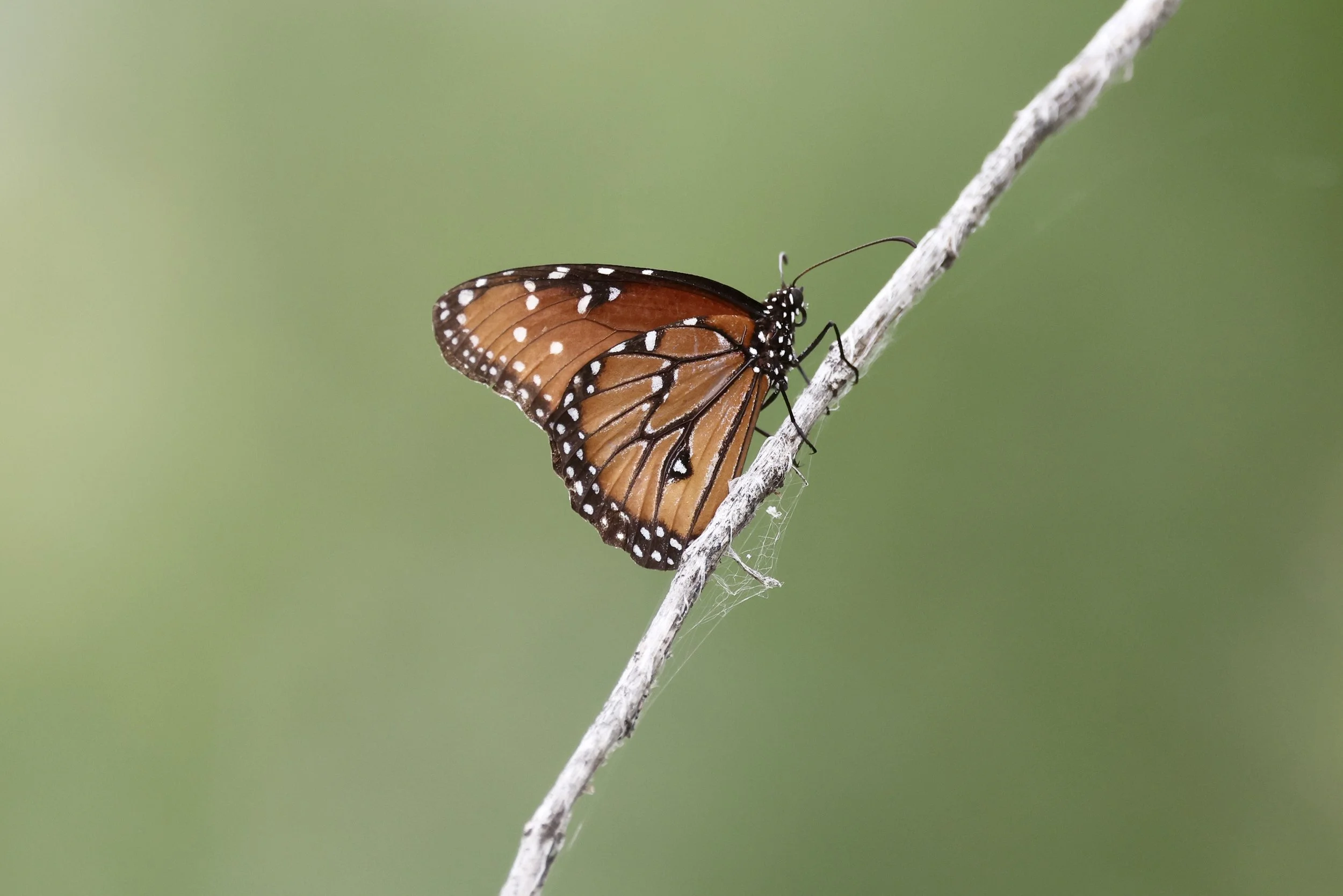
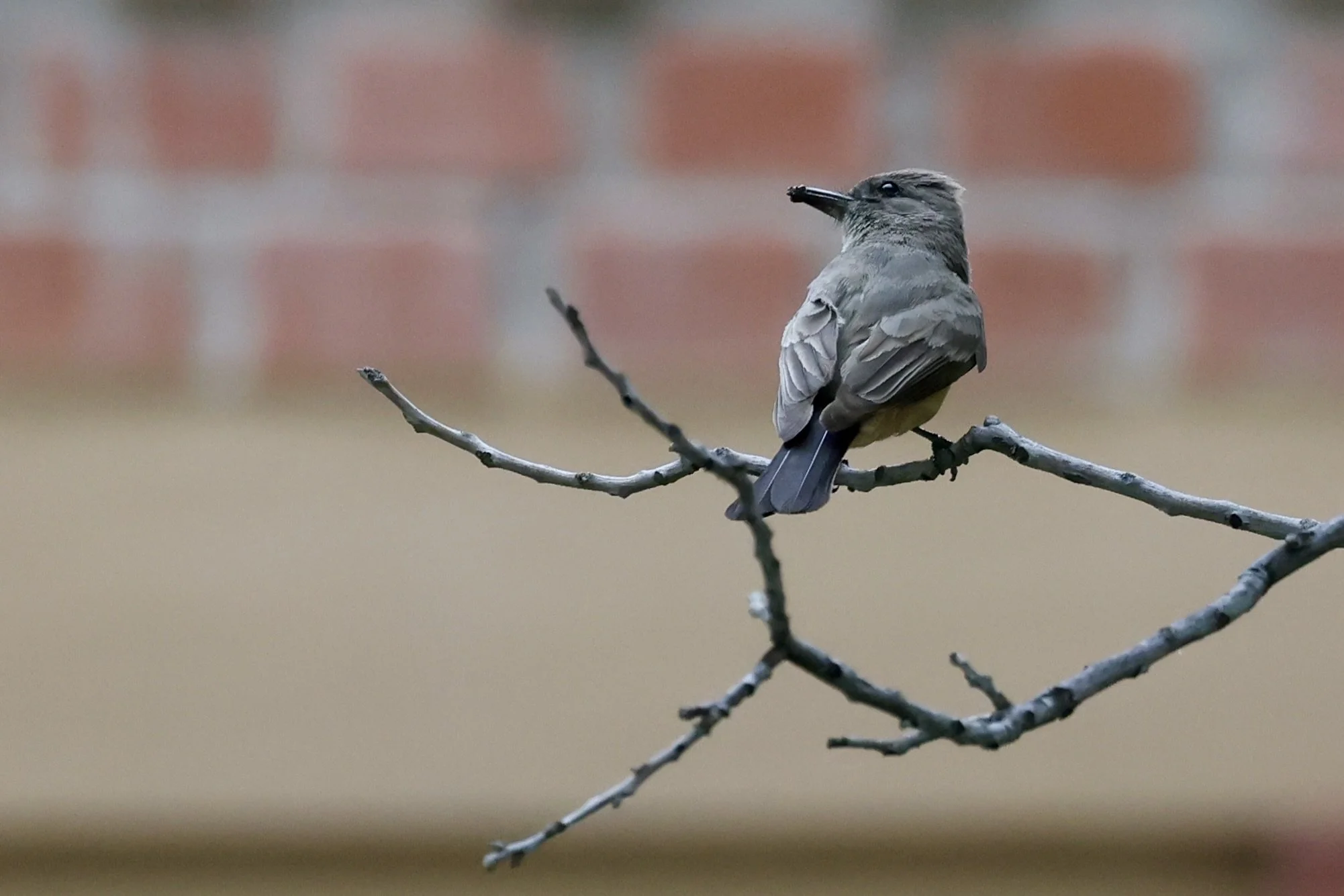
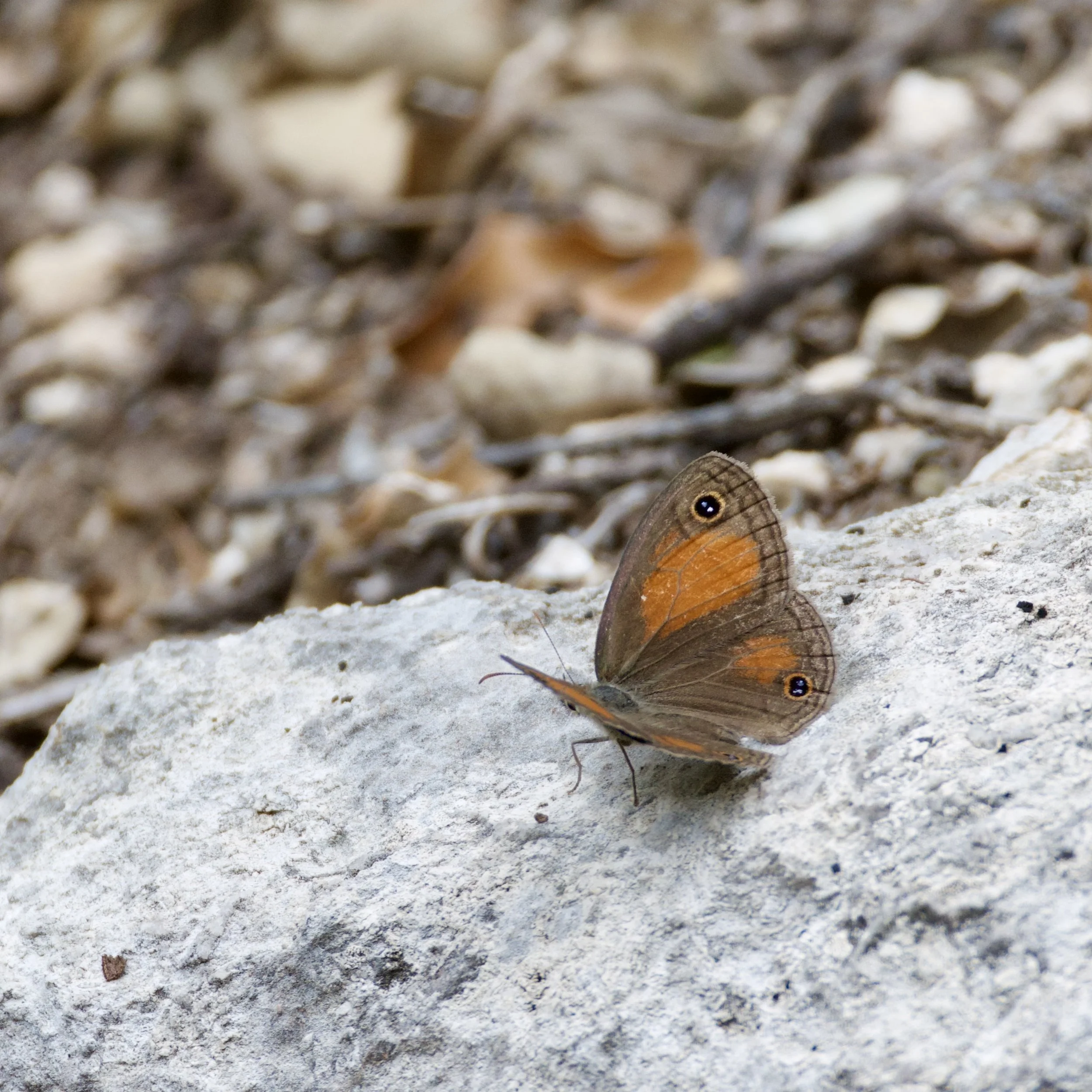
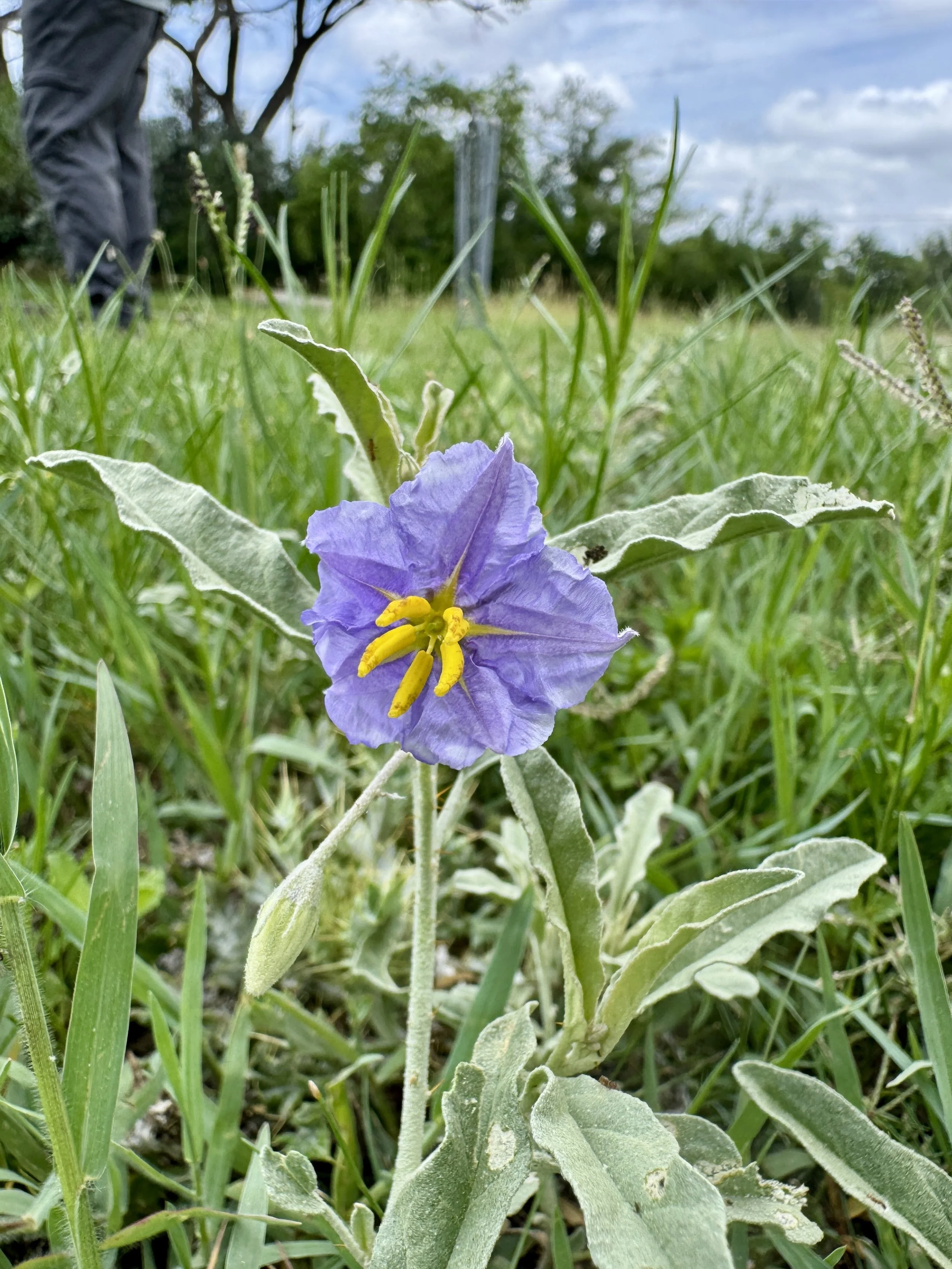
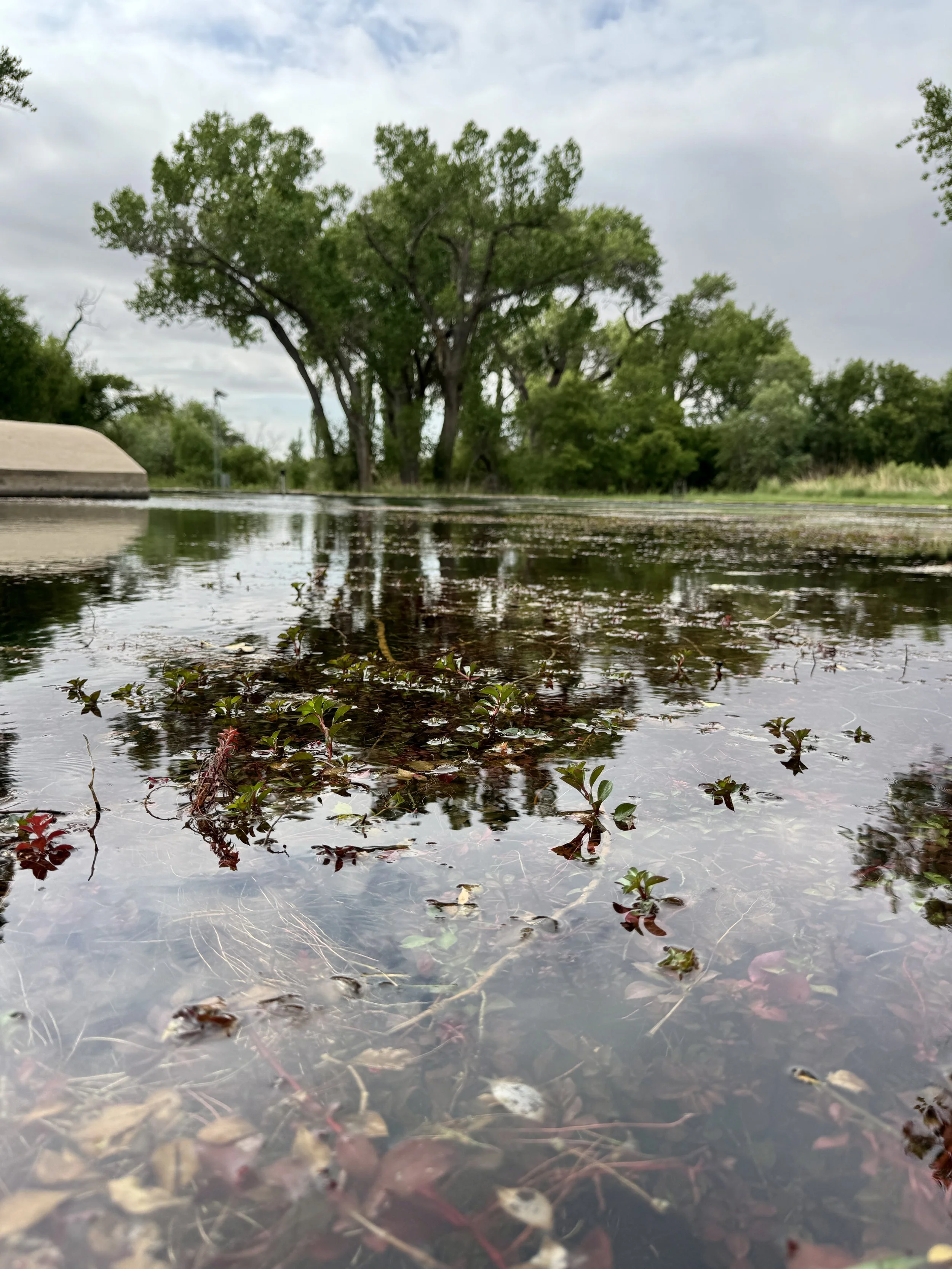
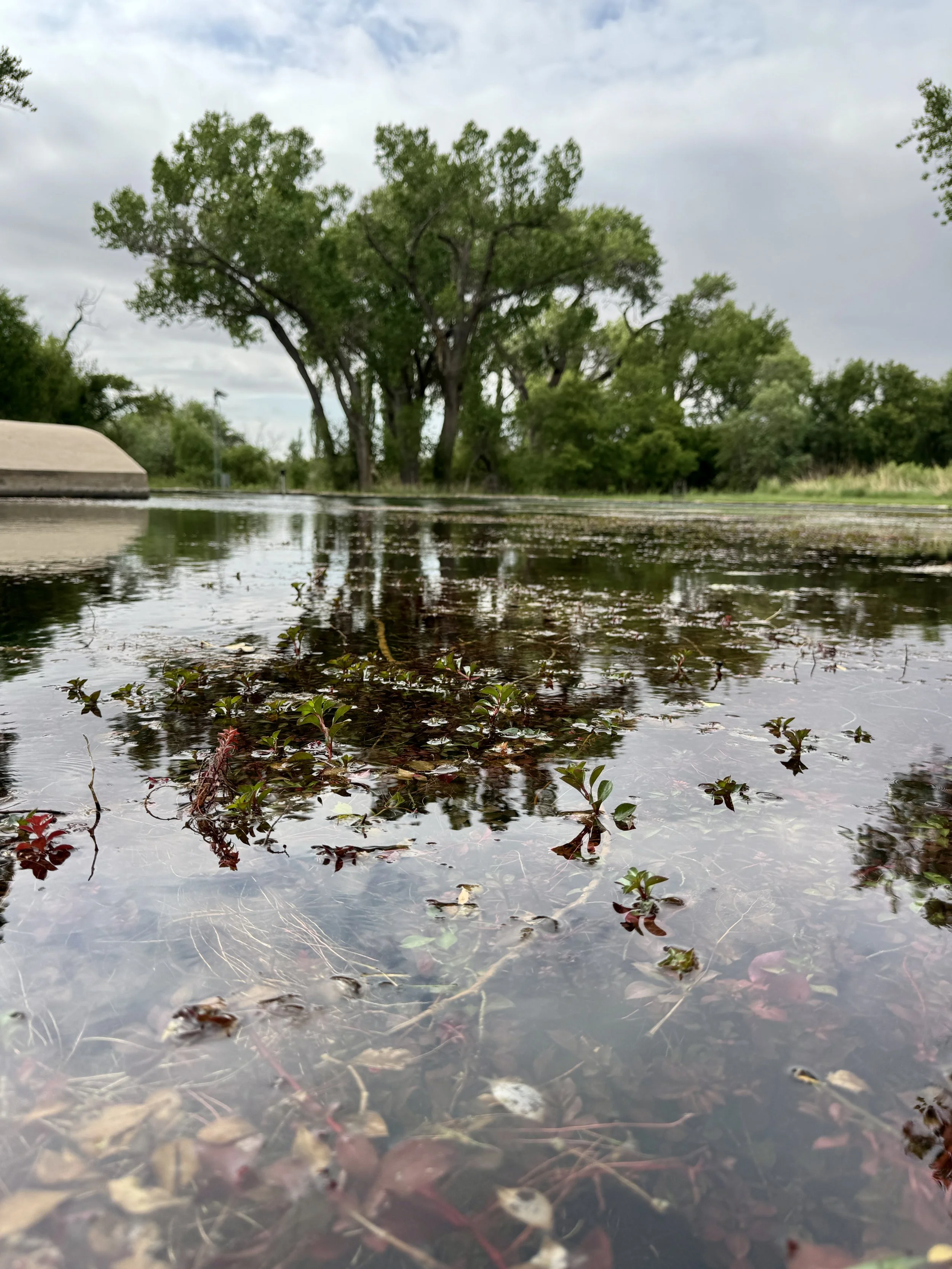
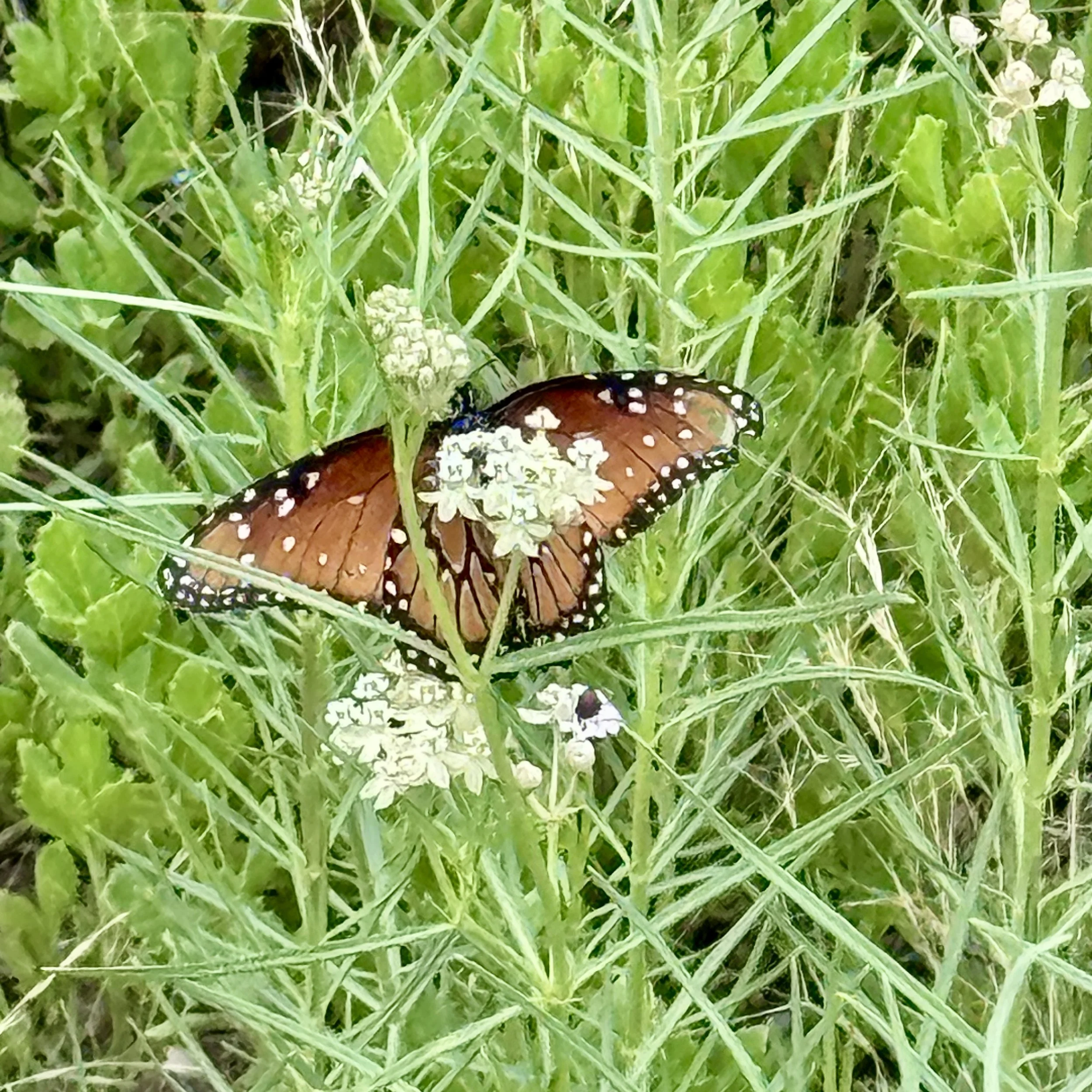
Not far from Camp Washington Ranch is Rattlesnake Springs, a lesser-known part of Carlsbad Caverns National Park that isn't located near the main cave entrance. We stumbled across this hidden gem during one of our evening walks since it was only about a mile from our RV. If you drive down Rattlesnake Springs Road, you arrive at a beautiful picnic area shaded by large trees and surrounded by green grass, another unexpected oasis in the middle of the desert. From there, it's about a 10-minute walk along a gravel road to the springs themselves. At the end of the trail is a small spring-fed man-made pond bordered by lush grass. The crystal-clear water is so transparent that you can easily watch fish swimming below the surface. The area is also a haven for birds and butterflies due to the abundance of trees and flowers. Despite its beauty, very few people seem to make the trip out here, making it one of the quietest and most peaceful places we visited. We returned twice to photograph the birds and enjoy the scenery, and both times we had the entire place to ourselves.
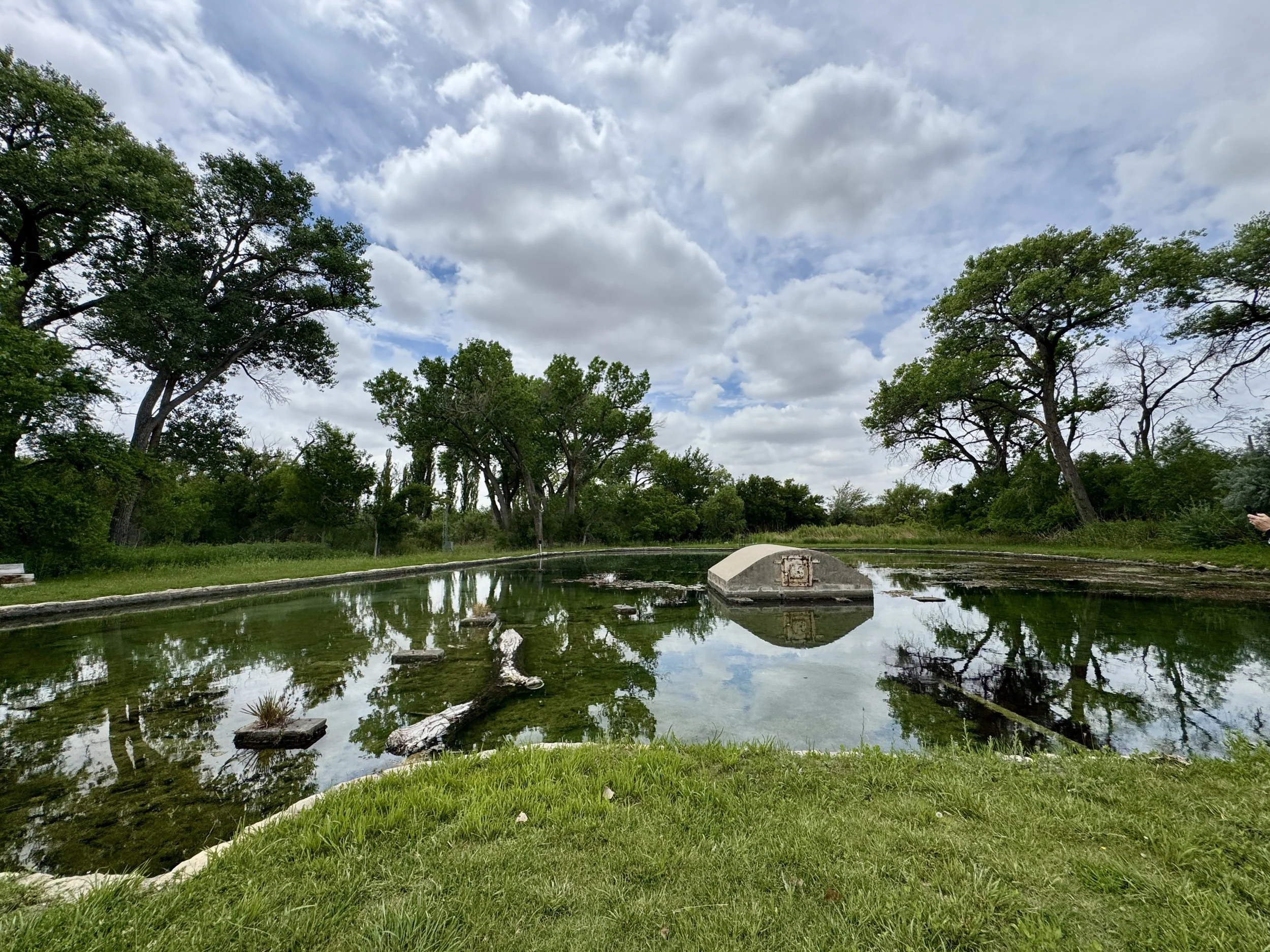
Rattlesnake Springs
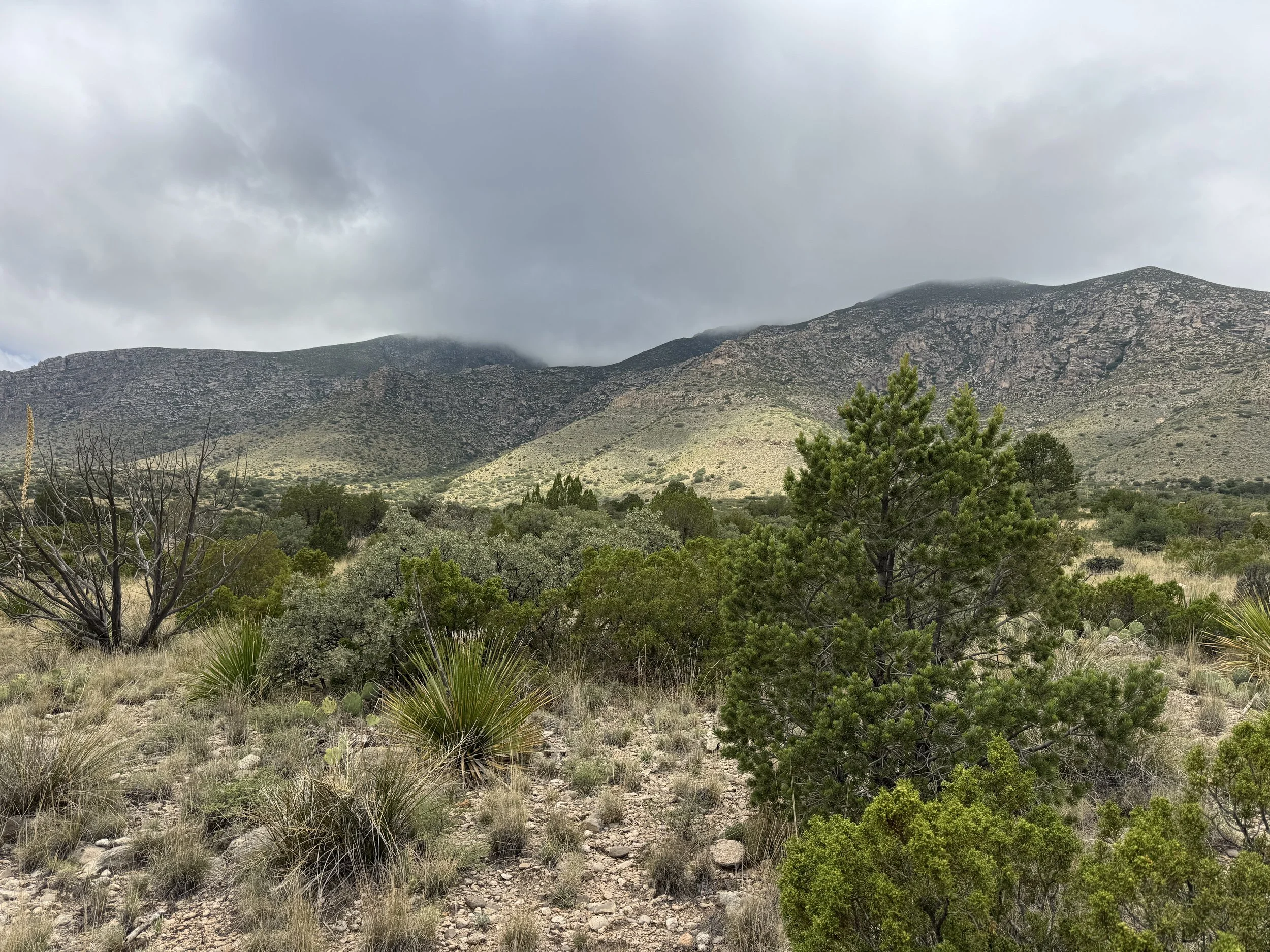
The other park we visited while based in Camp Washington was Guadalupe Mountains National Park. We ended up doing three hikes there, plus an unexpected bonus hike at the visitor center. The bonus hike was the Pinery Trail, a short 0.75-mile paved out-and-back trail that leads to the ruins of the old Pinery Station. Normally, we tend to skip these shorter, more crowded trails, but this time we had a good reason to take it easy. As we walked out of the visitor center, a couple of rangers were staring at our Jeep—which was steaming. Uh oh. After a brief moment of panic, we figured out that the coolant we had recently topped off had probably expanded and overflowed as we gained elevation on the drive up the mountain. Thankfully, it didn't seem to be anything serious. So, we took the opportunity to do the short Pinery Trail hike while the Jeep cooled down and the steam disappeared.
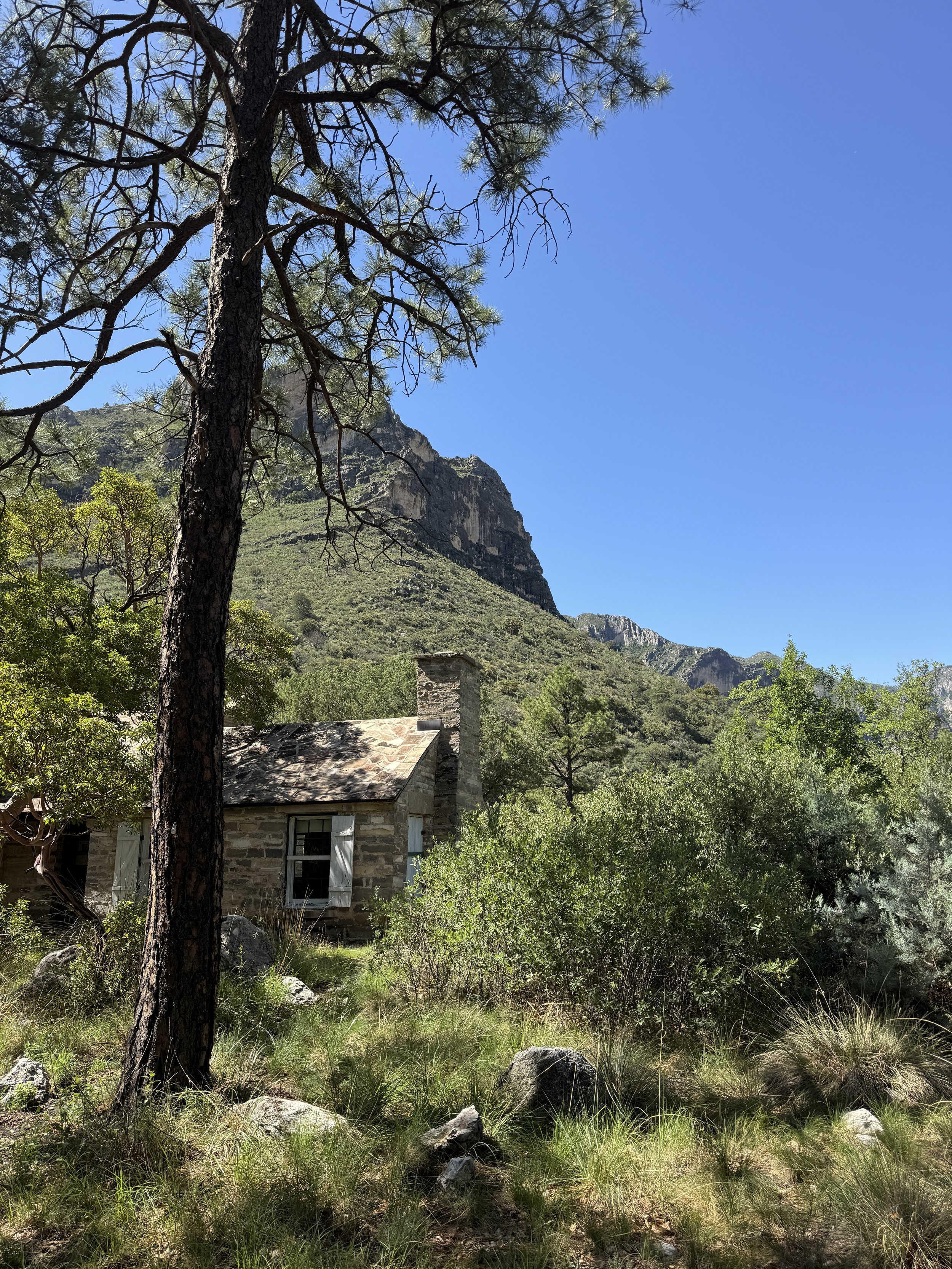
Our first real hike in Guadalupe Mountains was the Pratt Cabin Trail in McKittrick Canyon. The hike is just under 5 miles round trip, out and back, following a mostly rocky trail covered with loose stones. The destination is Pratt Cabin, which was built around 1931 by geologist and conservationist Wallace E. Pratt as his family's summer home. Pratt later donated the cabin and roughly 5,000 acres of surrounding land to the National Park Service. While we turned around at the cabin, the trail continues farther into the canyon, leading to the Grotto and eventually the Notch higher up.
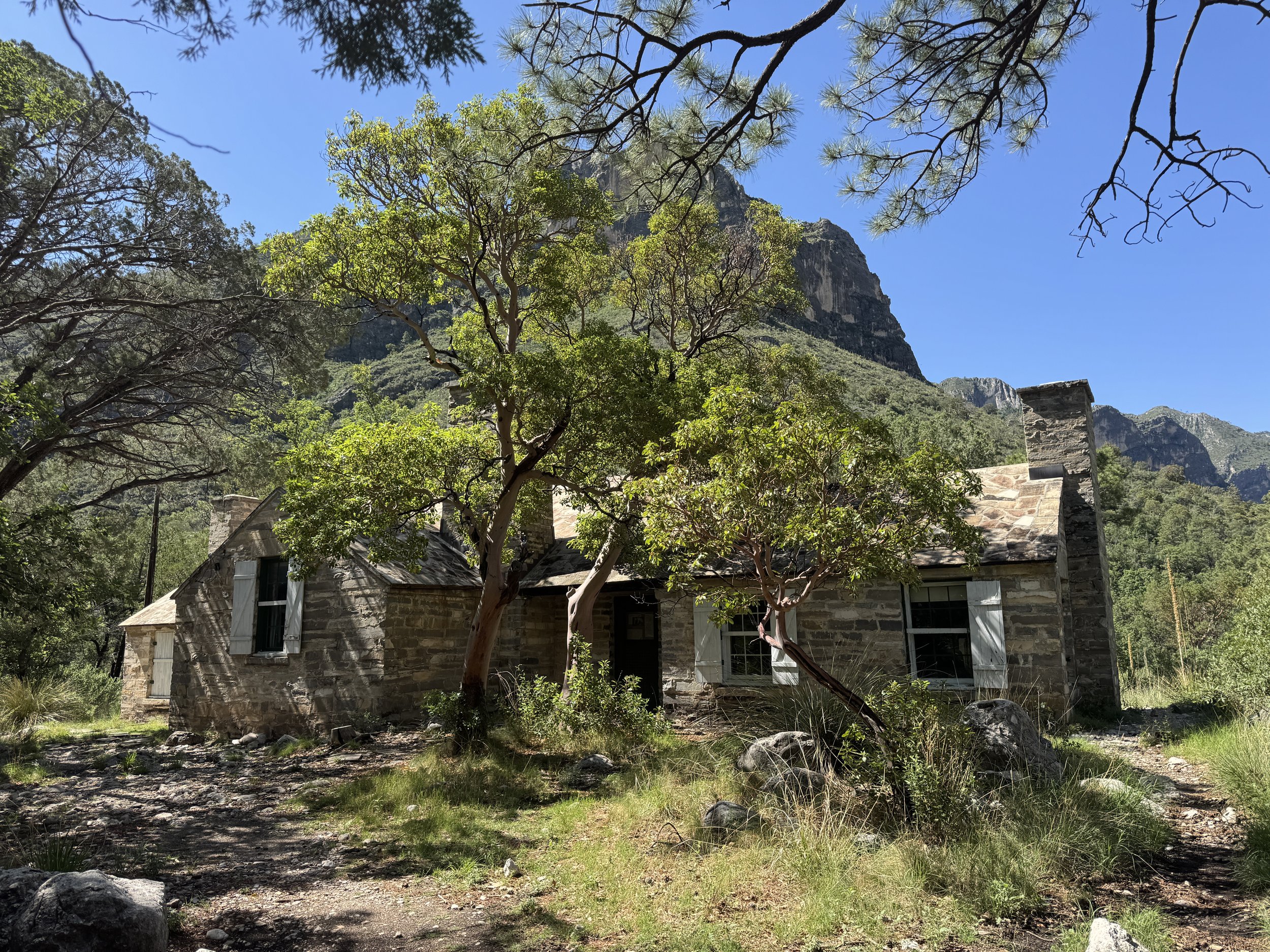
Pratt Cabin
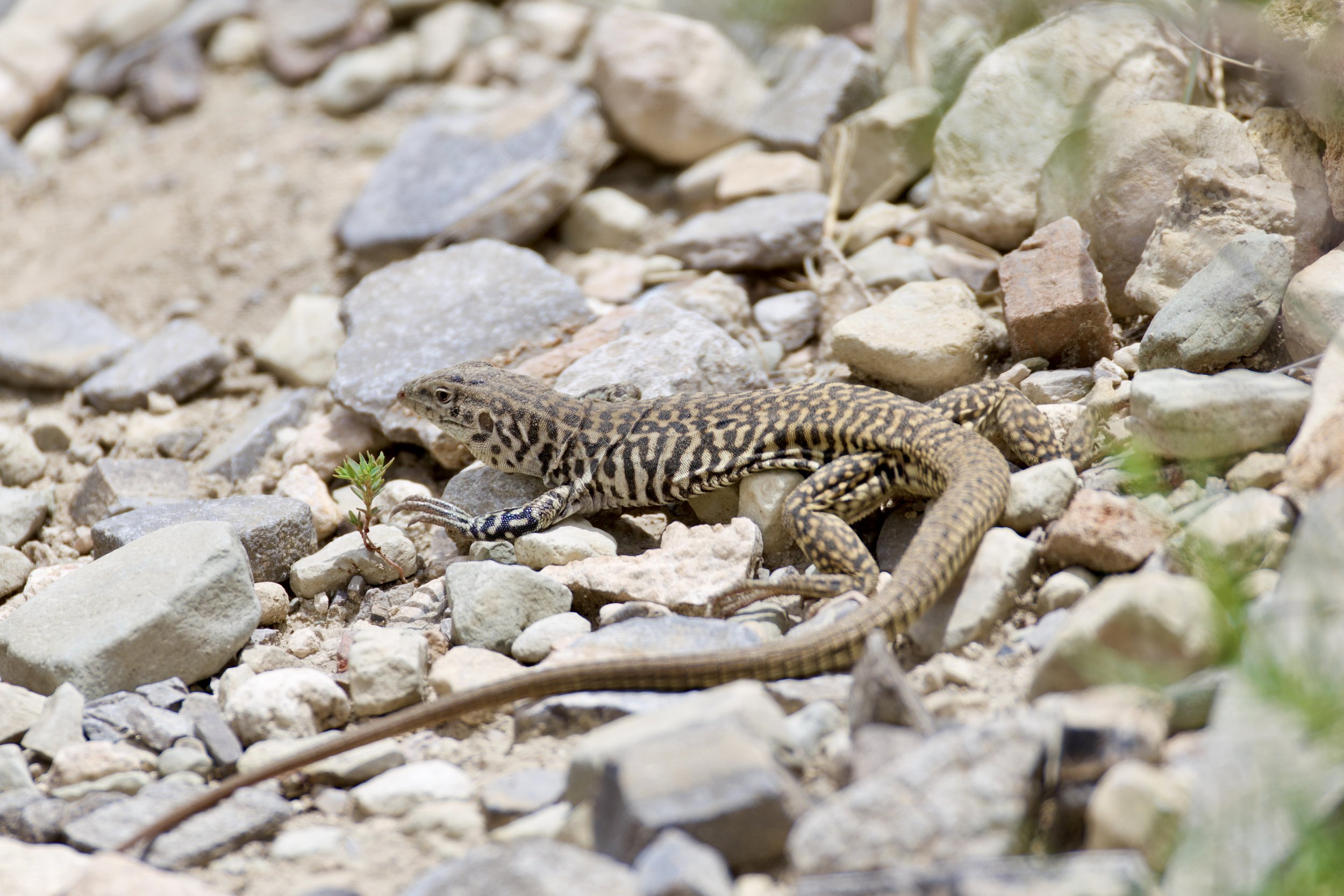
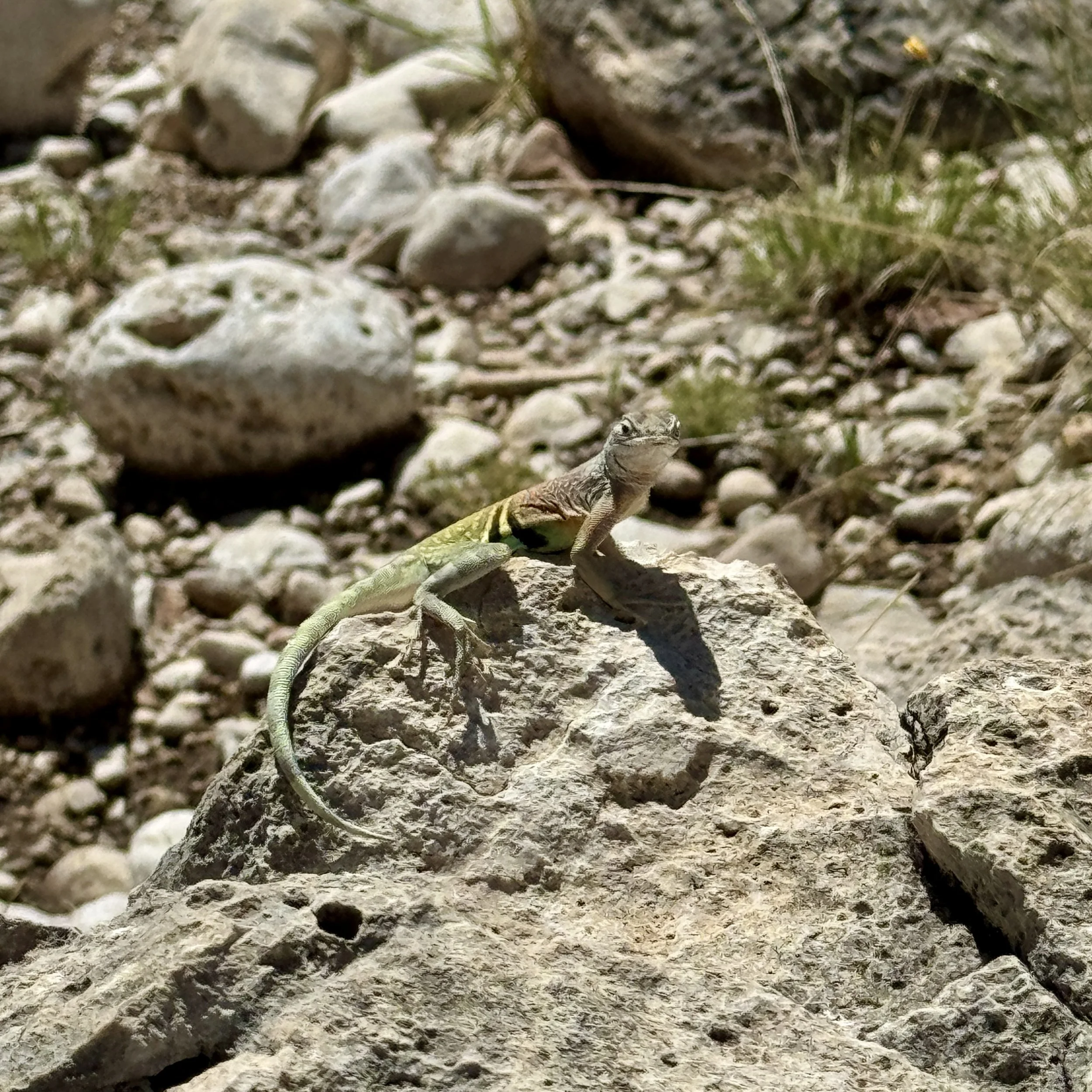
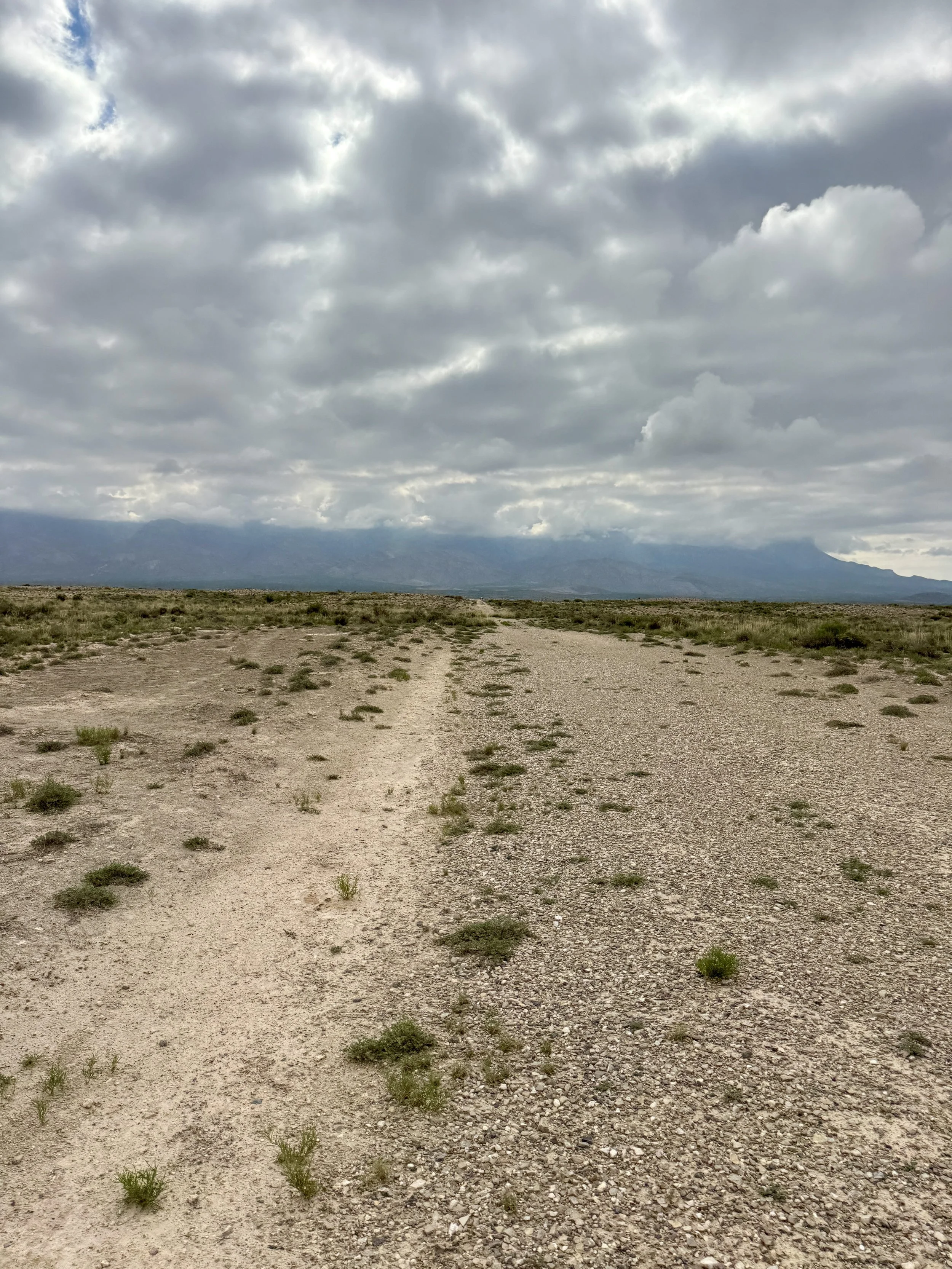
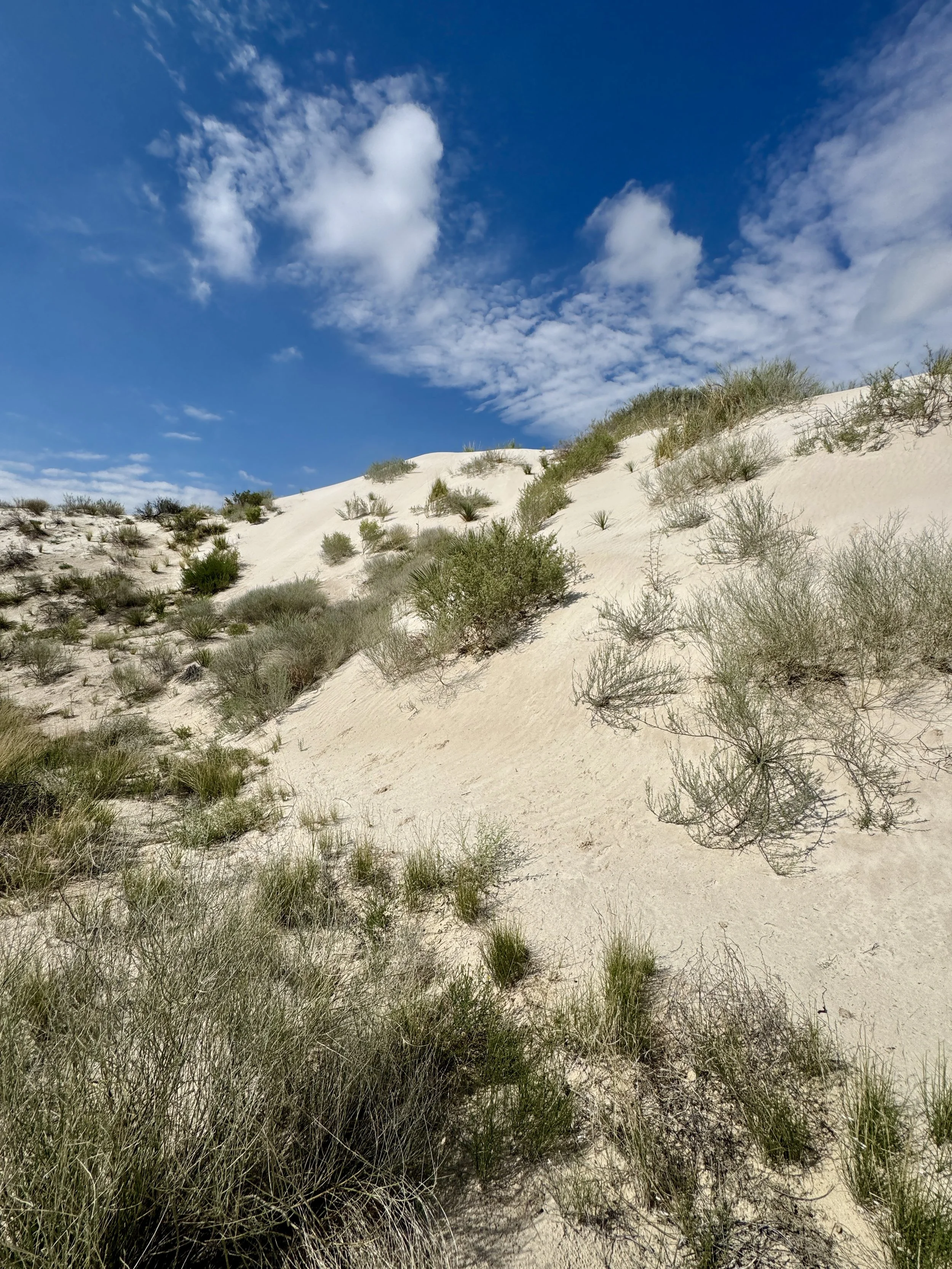
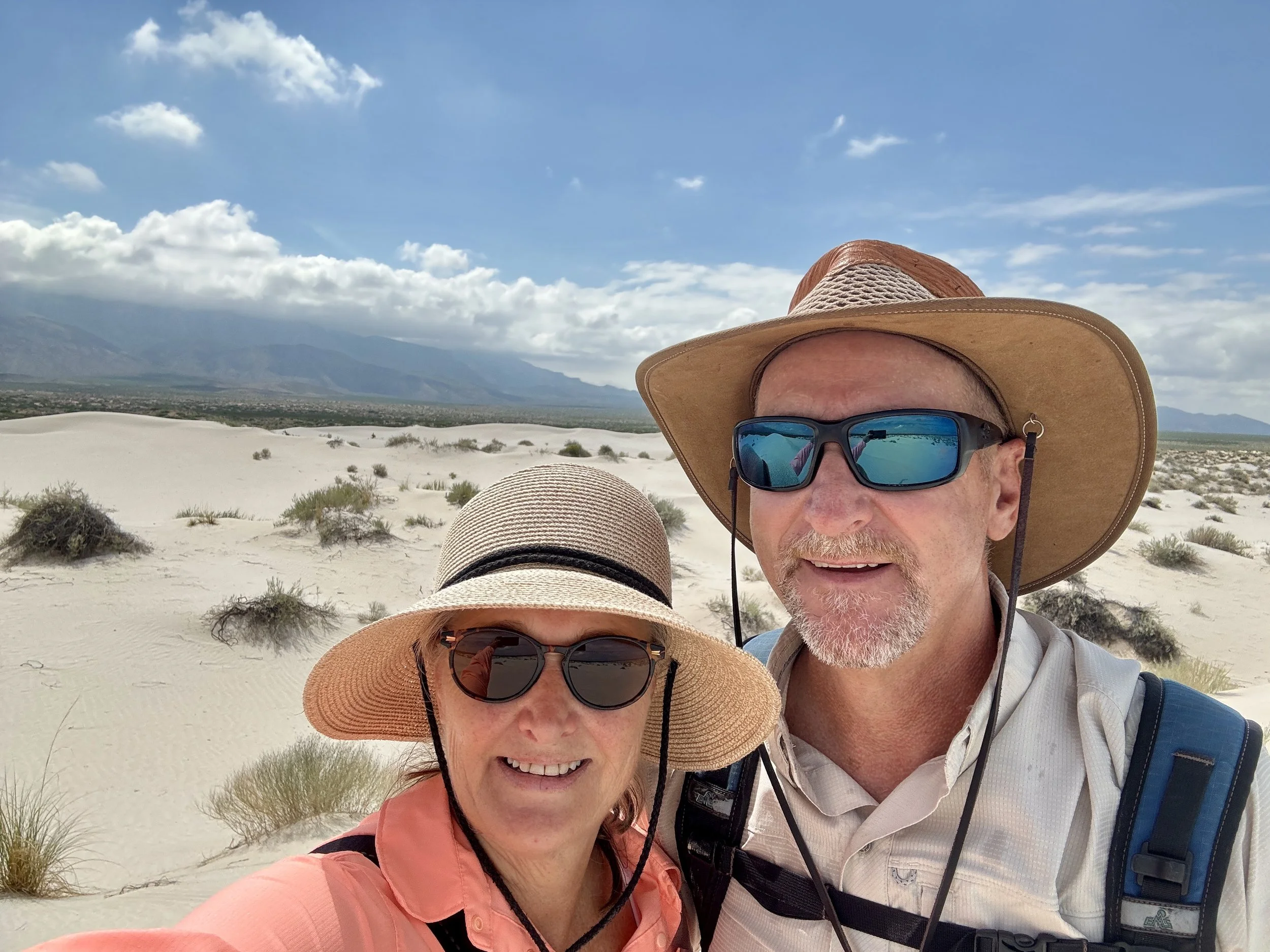
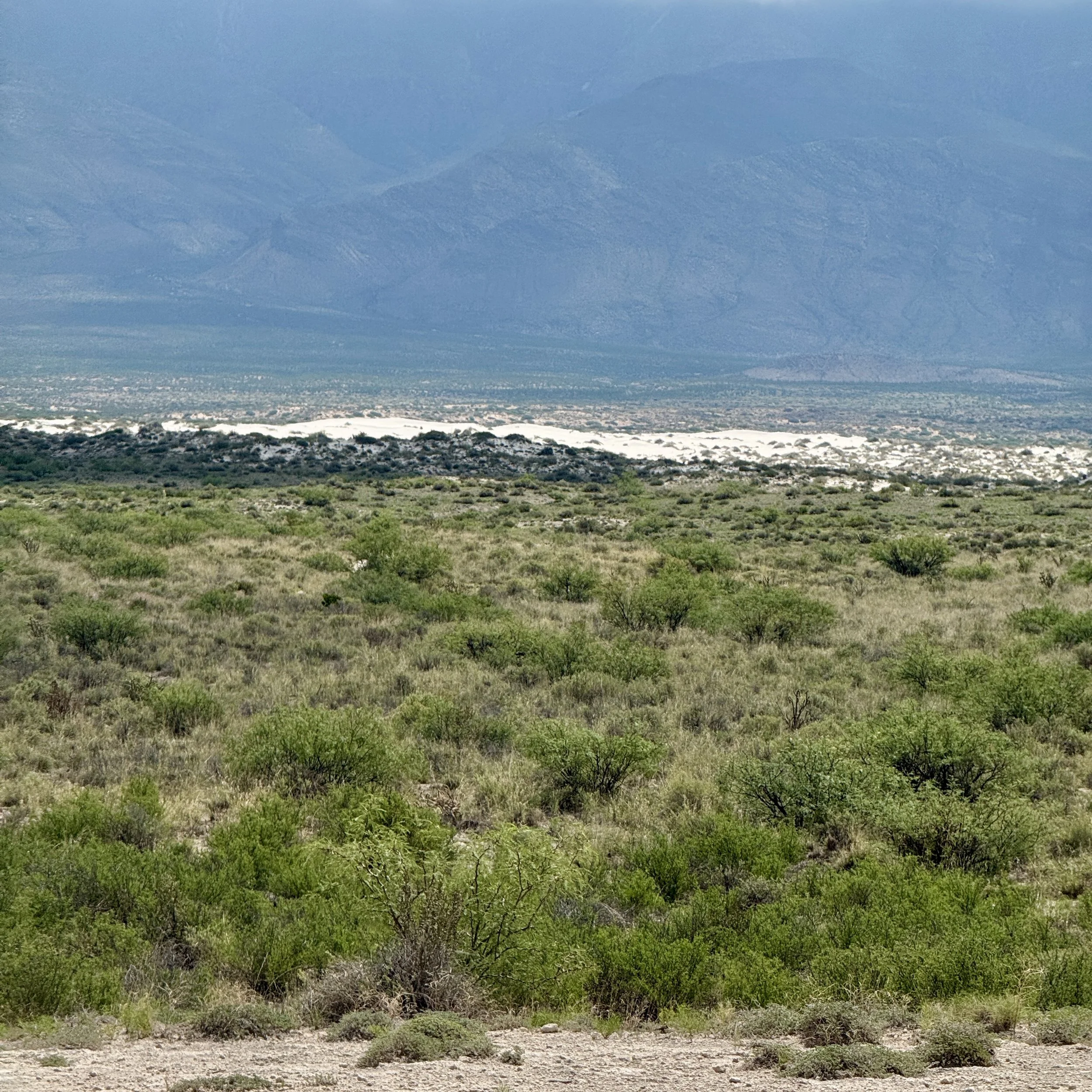
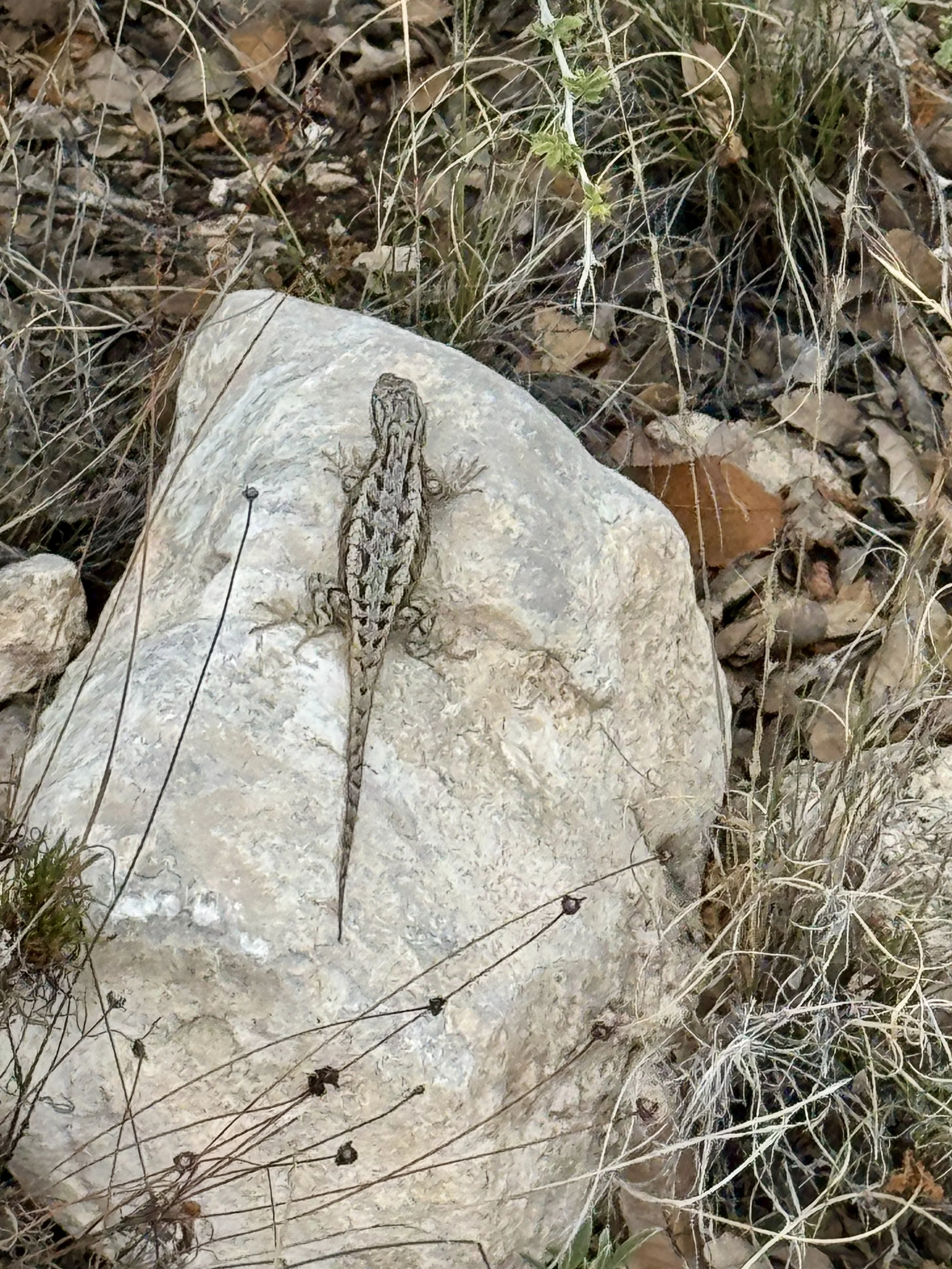
Our second hike took us into a completely different environment on the Salt Basin Dunes Trail. Reaching the trailhead required a bit of a drive to the far western side of the park. At first, the landscape looked like the same desert we'd been traveling through, but after a short walk we could see the dunes in the distance—forgetting how far you can see in the desert, they looked much closer than they actually were! After hiking about 1.5 miles, we reached the edge of the dunes and climbed one of the open slopes to find ourselves surrounded by a stunning sea of white sand. From the top, we had amazing views across the desert and spotted several sets of small animal tracks crossing the dunes. These unique dunes are formed when rainwater dissolves limestone in the mountains and carries the minerals into the basin below. As the water evaporates, it leaves behind large salt crystals that are broken down and carried by the wind, eventually forming the dunes. Along the desert trail, we also saw plenty of lizards and even some mule deer tracks.
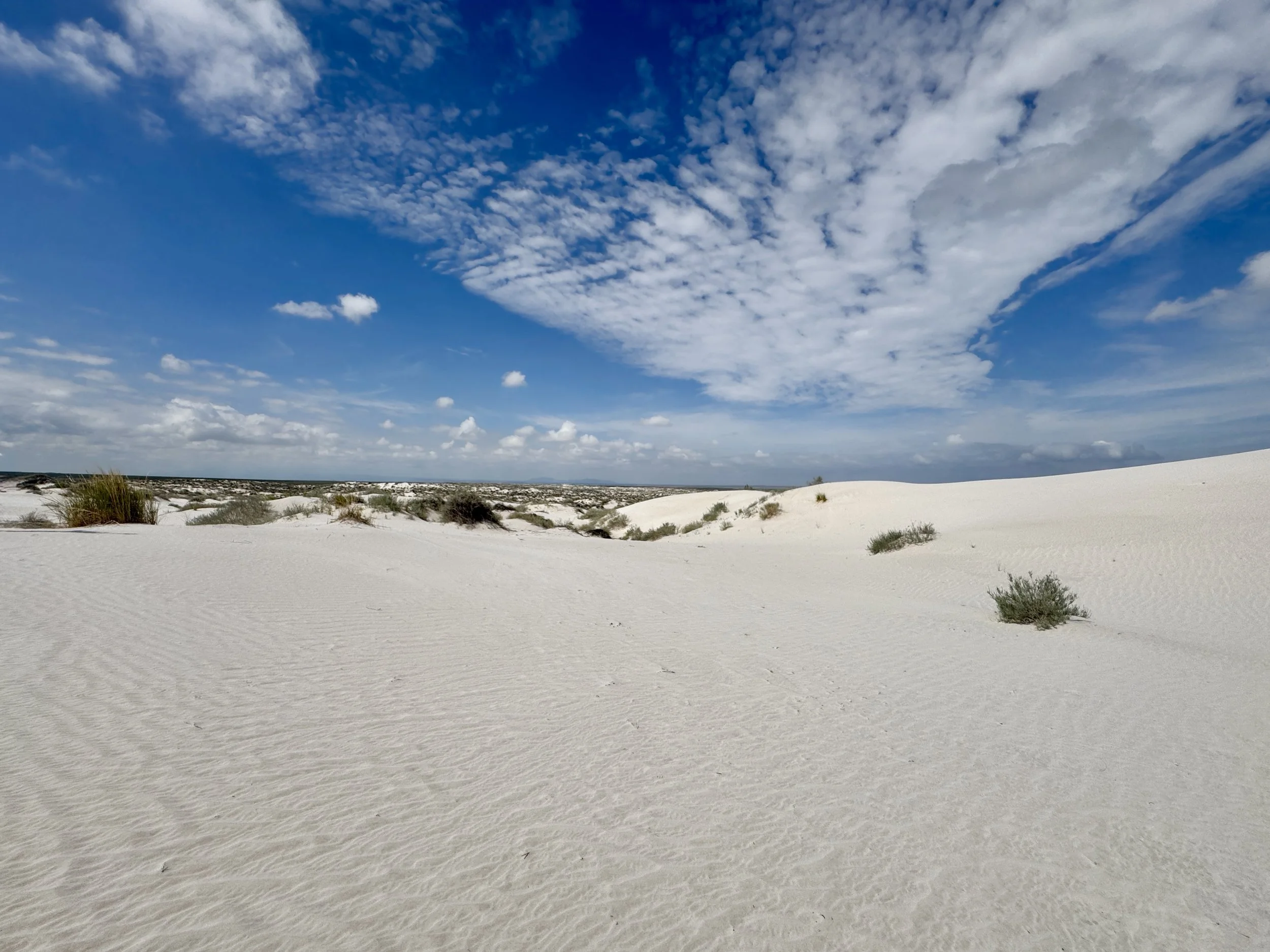
Salt basin Dunes
For our third hike, we tackled the Smith Spring Loop, which begins at the Frijole Ranch Trailhead. Before setting out, we enjoyed a packed lunch at the nice picnic area near the trailhead. The 2.3-mile loop is a bit rocky and climbs uphill to Smith Spring, another beautiful desert oasis tucked into the mountains. We took a short break on a bench by the spring, enjoying the peaceful surroundings before continuing. The loop also passes Frijole Ranch and Manzanita Spring, a small pond-like area with many swallows darting overhead. Depending on which direction you hike the loop, these sights are either near the beginning—as most people experience them—or near the end, which is the route we chose. Once again, most of the wildlife we spotted consisted of lizards, although we were surprised by the variety of species we encountered.
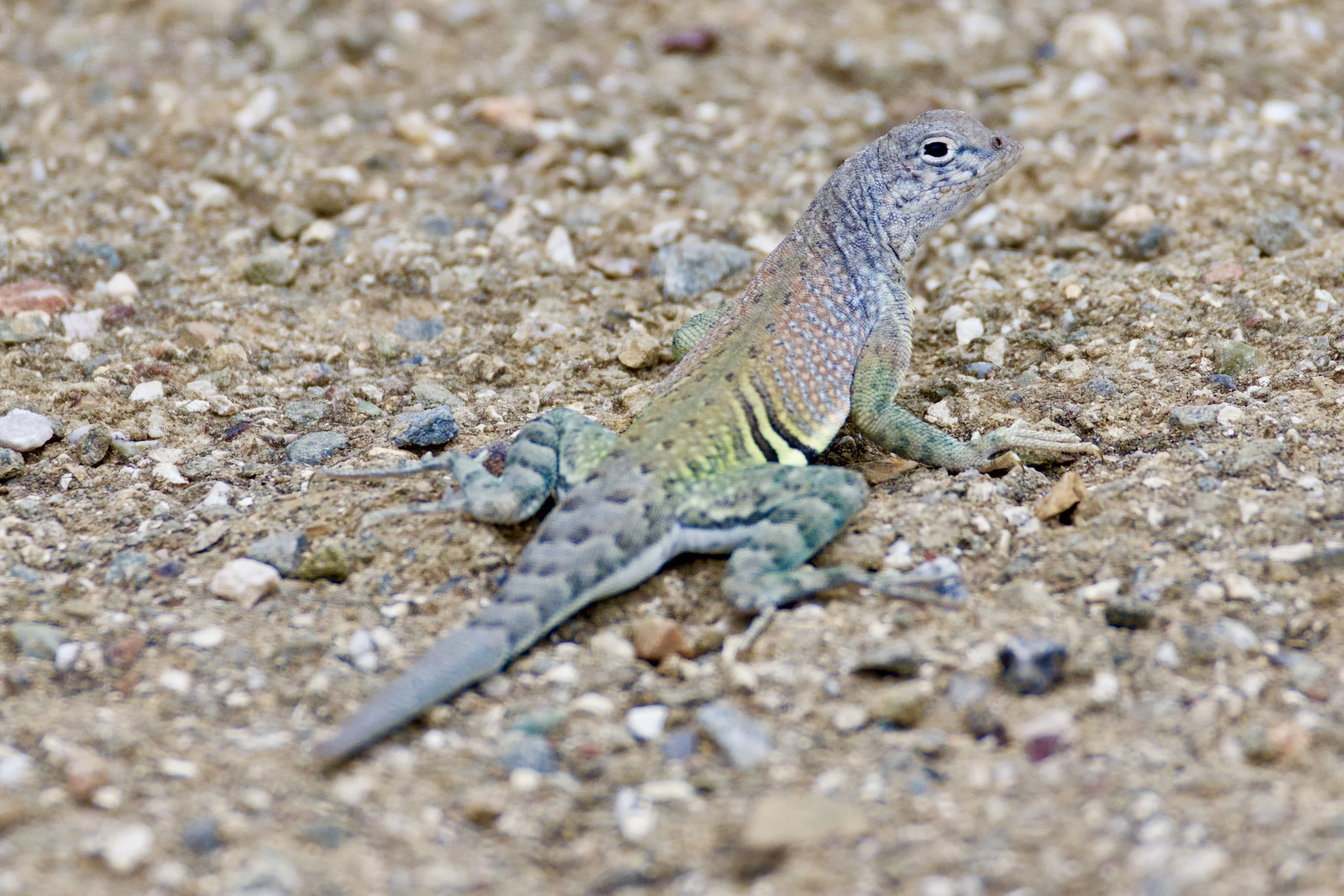
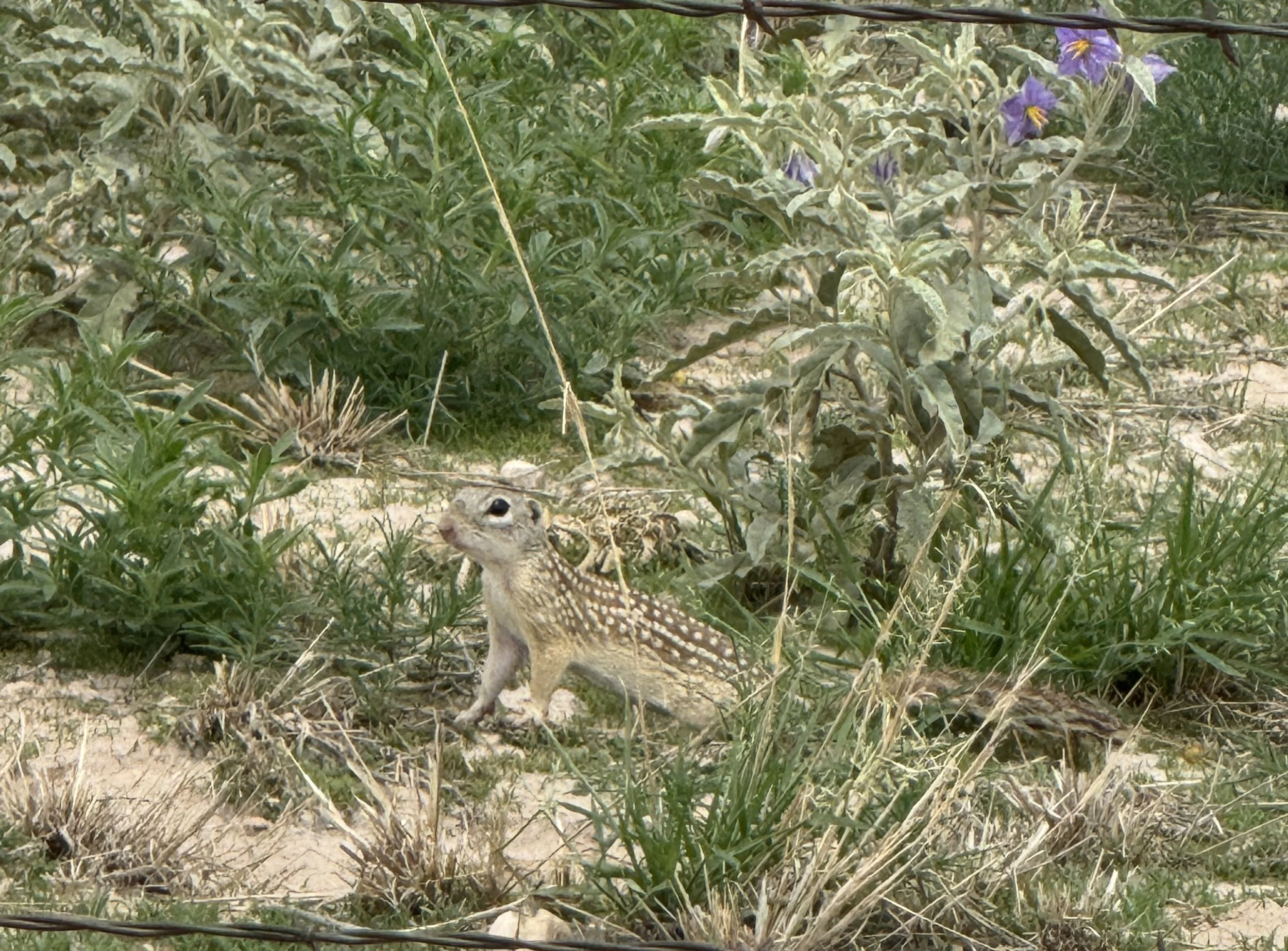
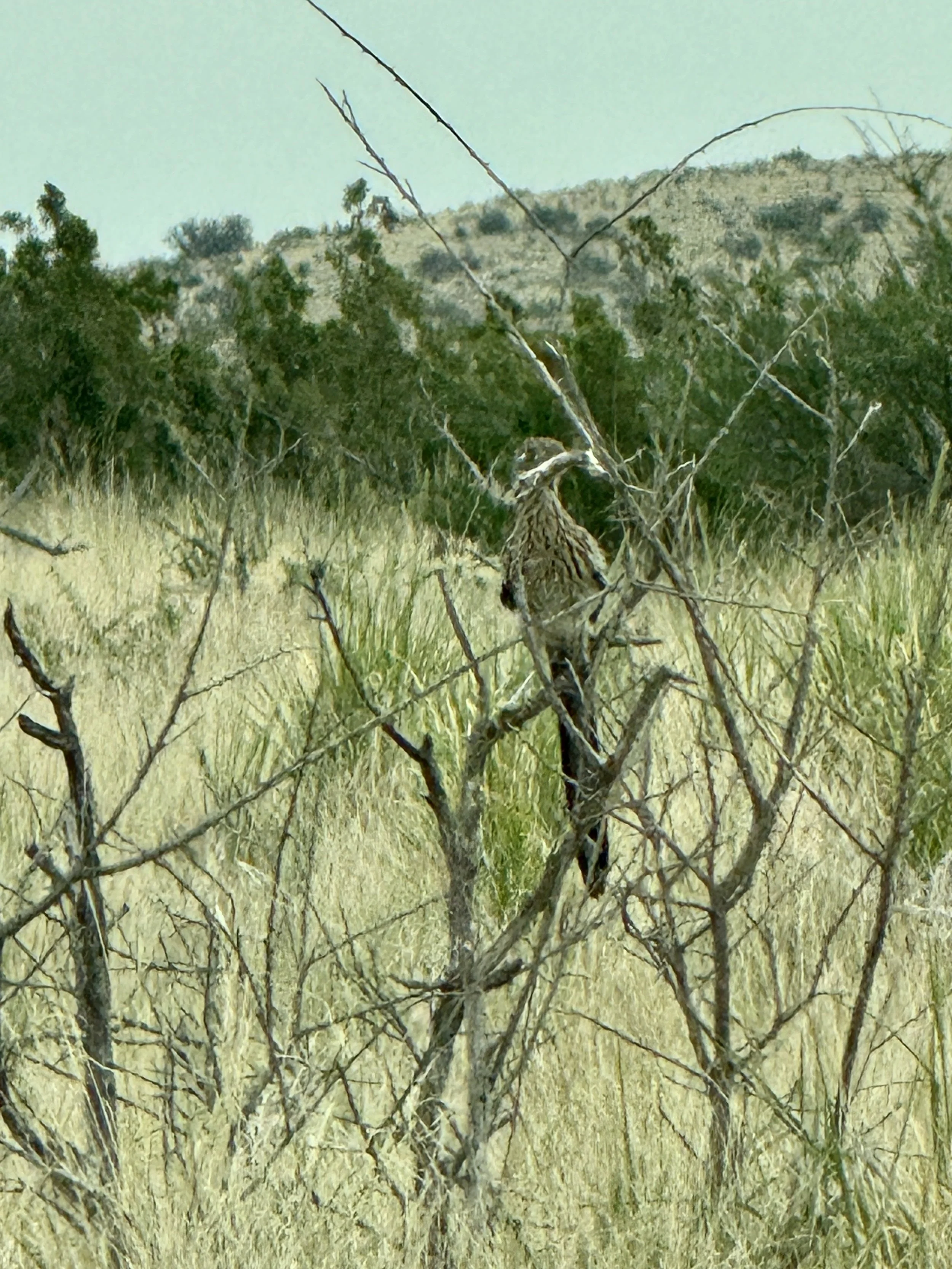
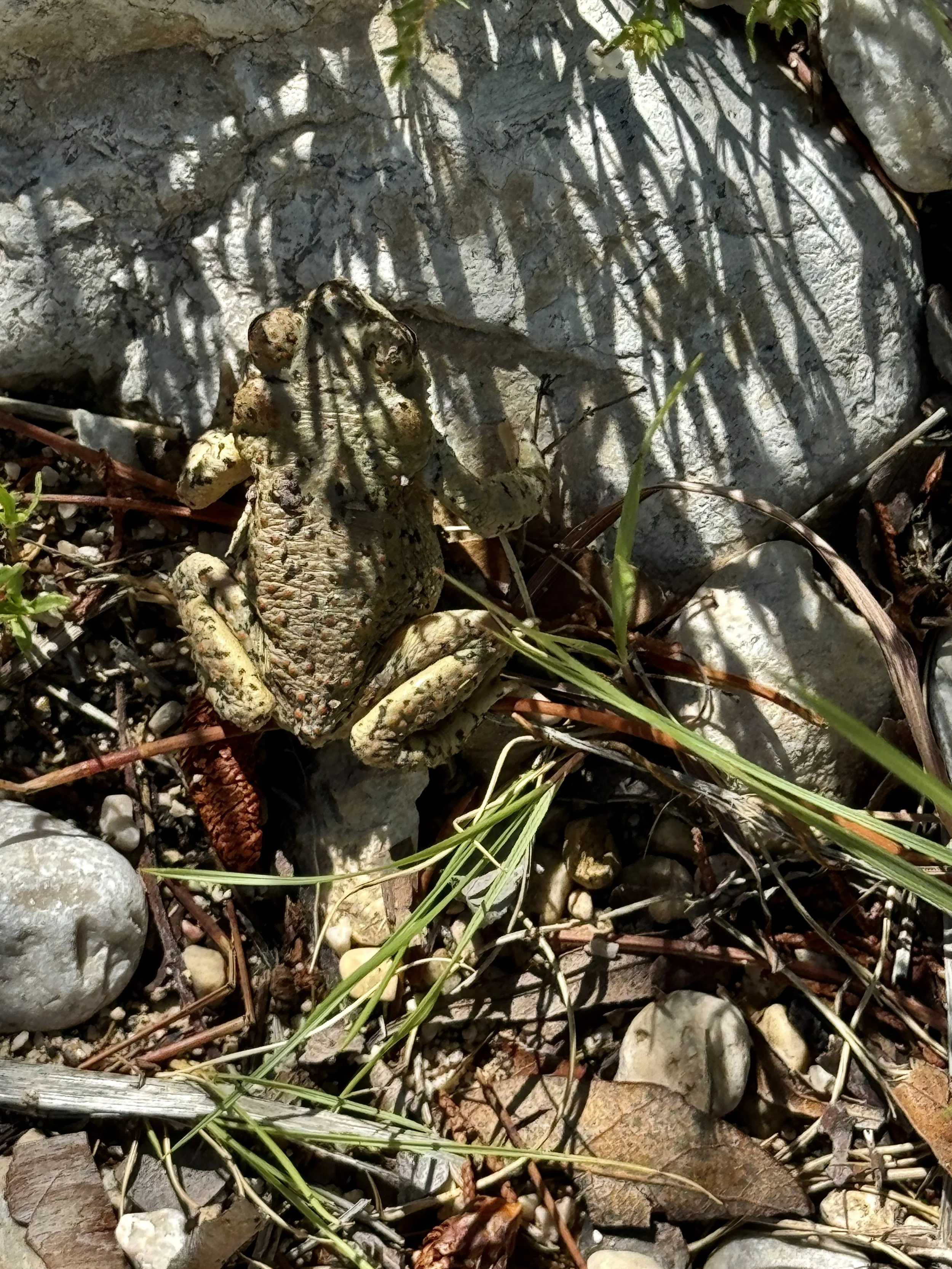
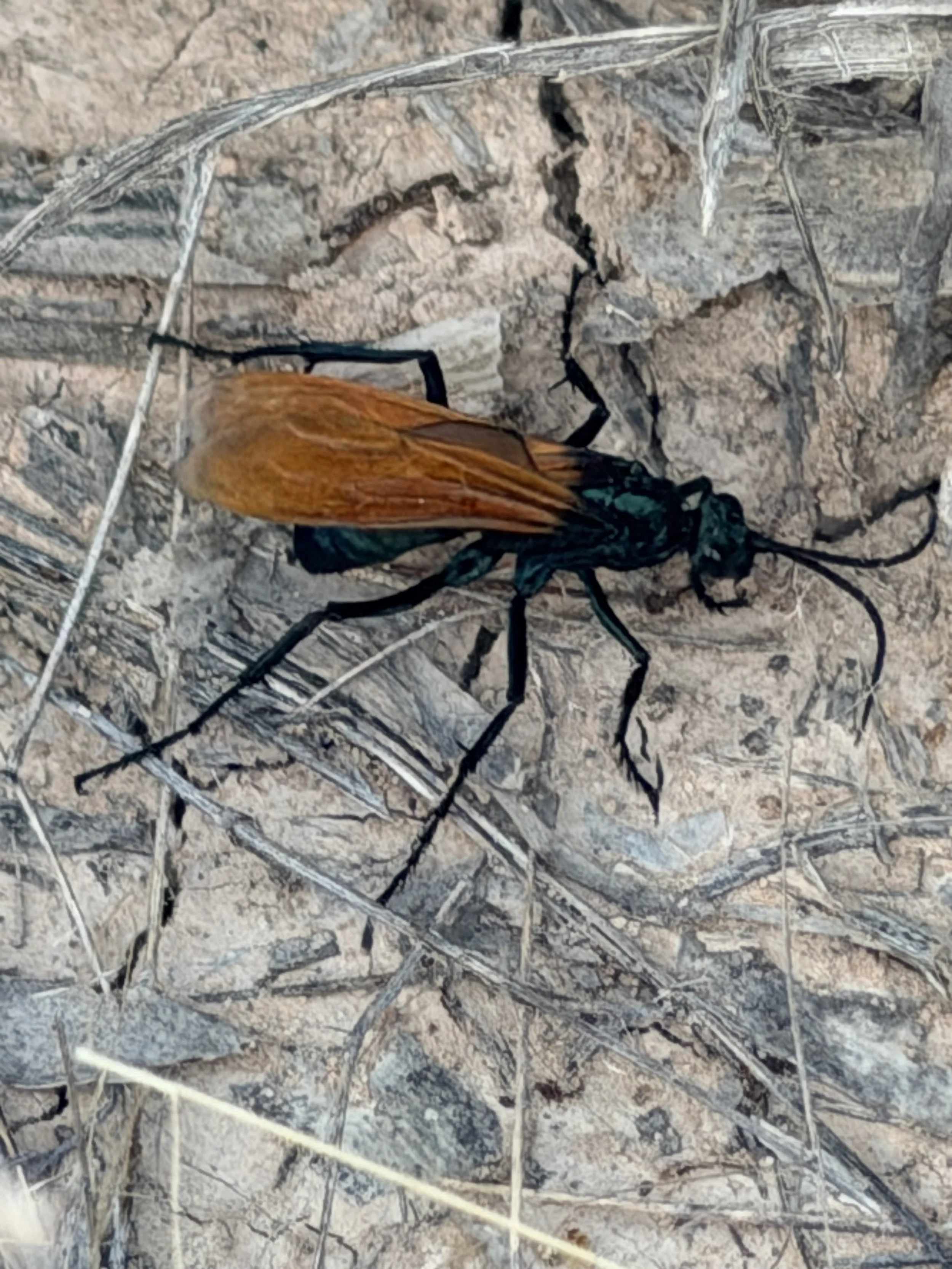
In addition to our time in the parks, we spent some time exploring the Chihuahuan Desert itself. One afternoon, we drove a network of dirt roads for a couple of hours, keeping an eye out for wildlife. We spotted several roadrunners, including one that was busy killing & eating a frog, and a Rio Grande ground squirrel. The highlight, though, came after dark when we ventured into the desert and found several tarantulas. As a PA girl, where giant spiders aren't exactly common, it was pretty amazing to see tarantulas in their natural habitat. I can't say I like spiders but seeing them in the wild was much cooler than seeing them behind glass in a zoo reptile house.
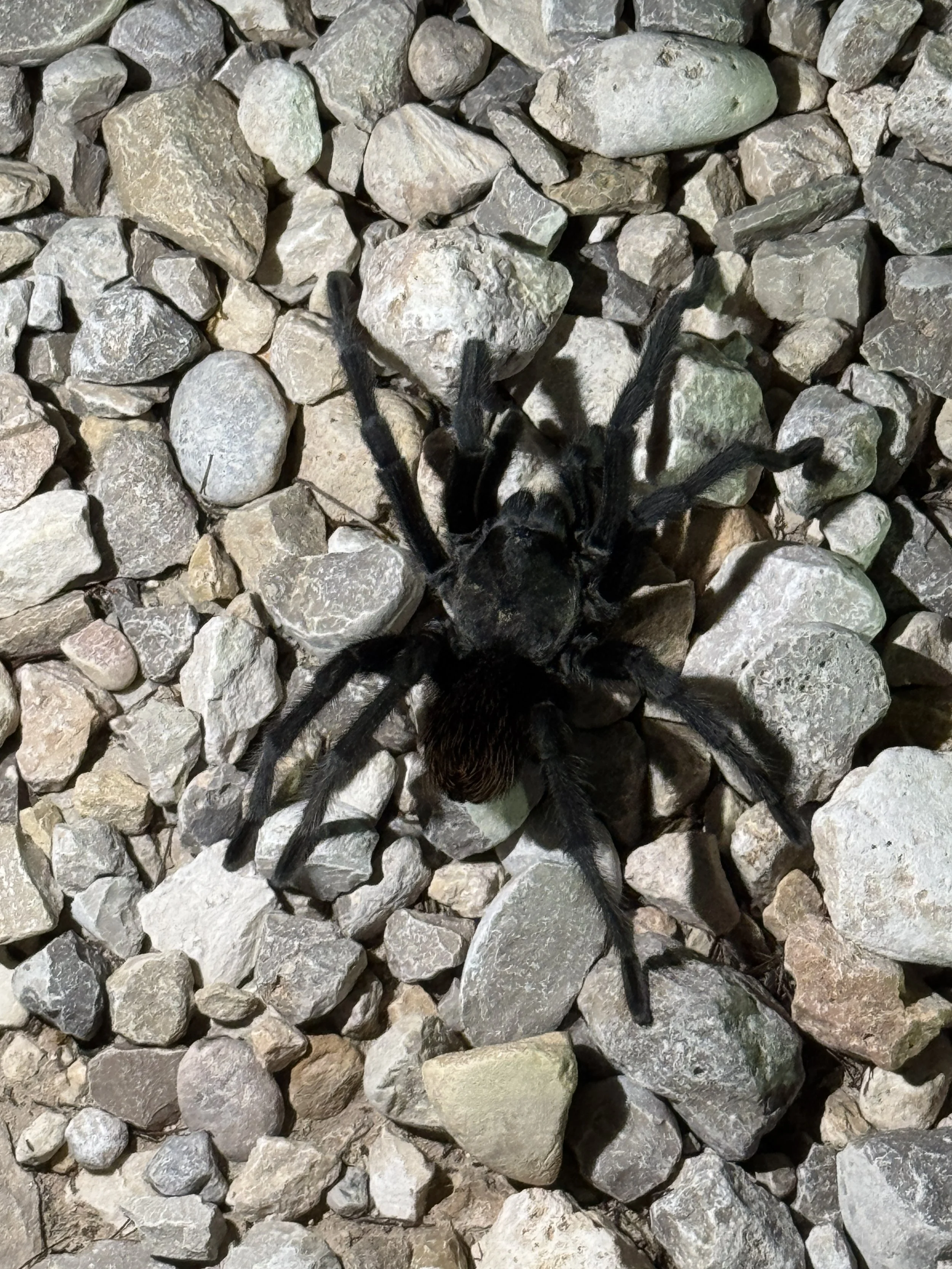
Tarantula
Overall, I'd say our summer is off to a pretty good start. We've already done some great hikes and seen some interesting wildlife. With Guadalupe Mountains and Carlsbad Caverns now checked off the list, we only have 11 more parks to visit on our 2026 adventure. If the rest of the summer is anything like the beginning, we're in for an amazing journey.