Two “Great” Parks
Great Sand Dunes & Great Basin
Did you know that of the 63 U.S. National Parks, only three have the word "Great" in their name? On our 2026 summer adventure, we just checked off two of them—Great Sand Dunes National Park in Colorado and Great Basin National Park in Nevada.
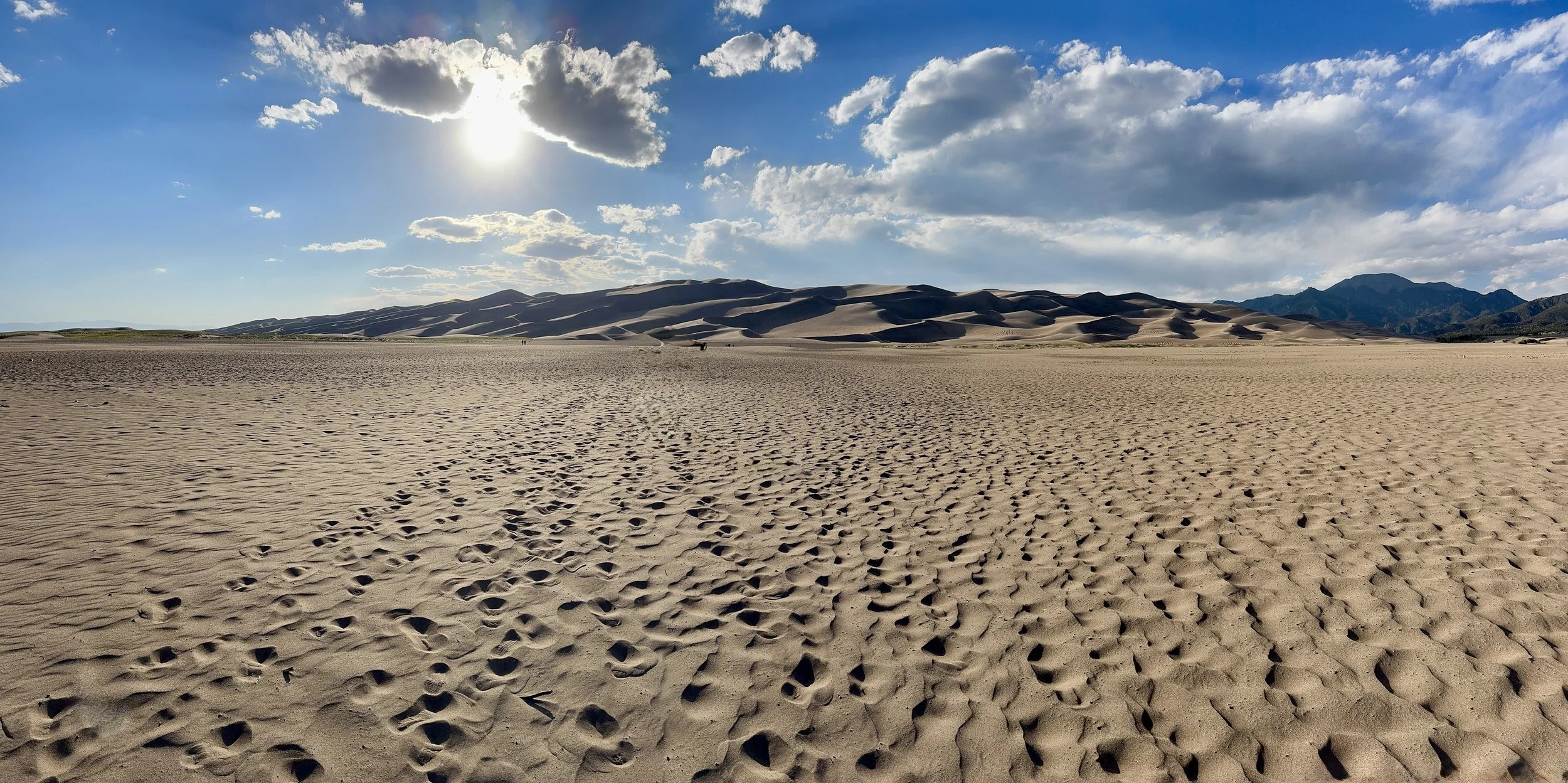
First up was Great Sand Dunes National Park, and just as the name suggests, it is home to the tallest sand dunes in North America. Nestled against the rugged Sangre de Cristo Mountains, the dunes are formed when sand and sediment are carried by streams into the valley, where the wind picks them up and deposits them against the mountains. The result is a stunning landscape of constantly shifting dunes set against a beautiful mountain backdrop.
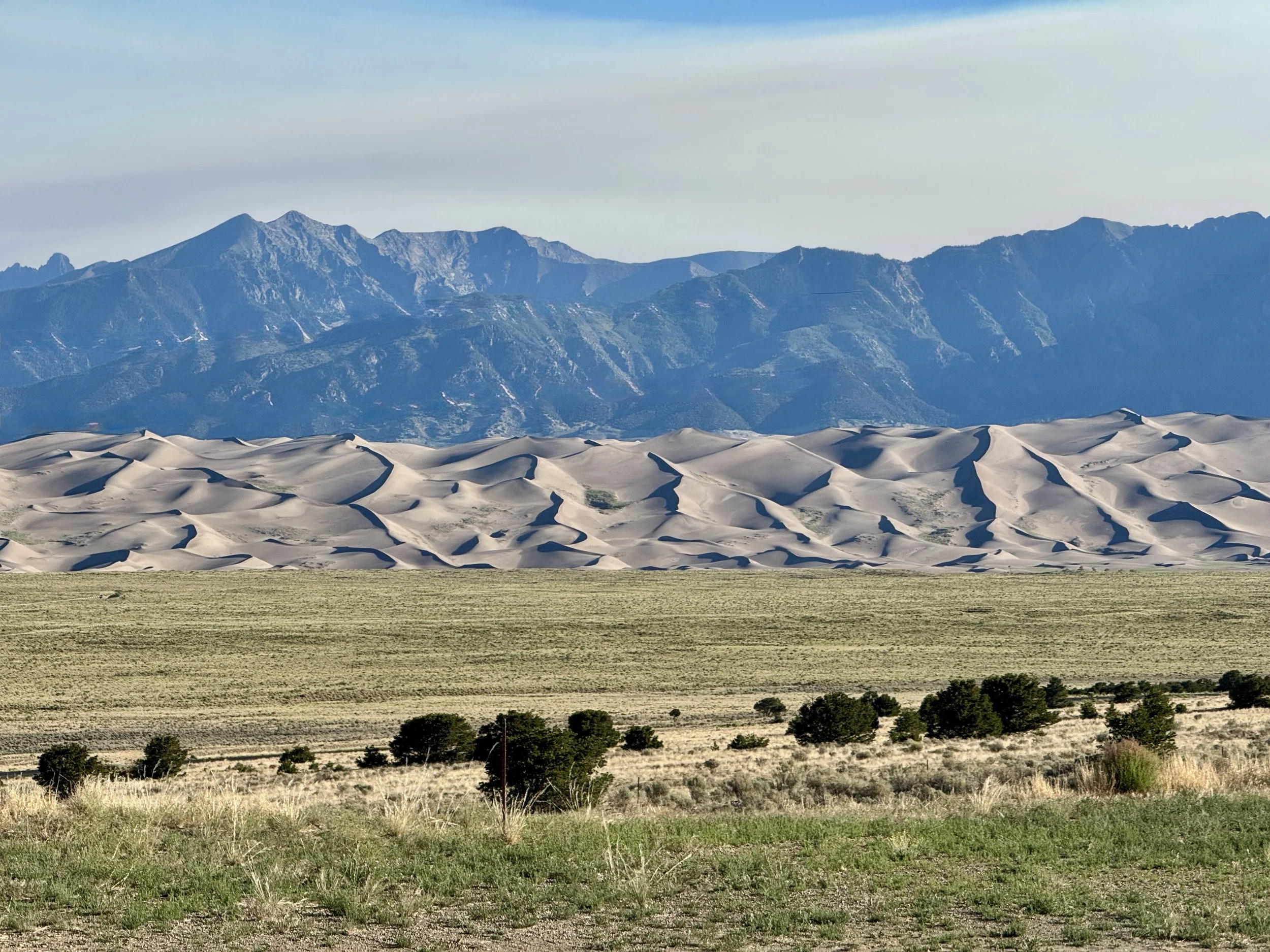
sand dunes & Sangre de Cristo mountains
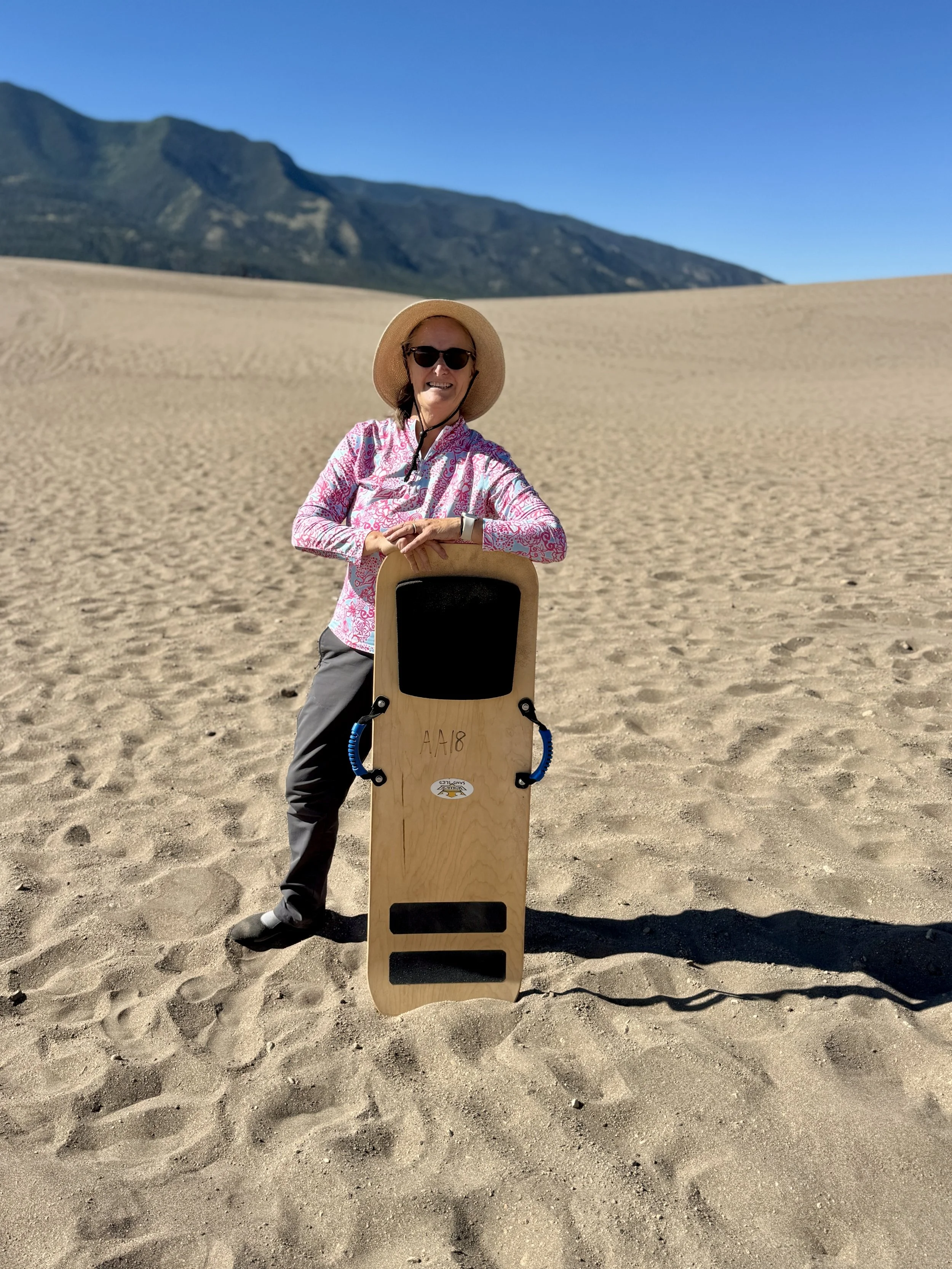
One of the park's most popular activities is sand sledding and sandboarding, which of course we had to try. From the parking lot, it's about a half-mile hike across loose sand just to reach the dunes, followed by the climb to the top. I think I was exhausted before I even made it to the top of one of the smaller dunes! Steve opted for the sandboard, which is similar to snowboarding, and managed to make it all the way to the bottom with only a tumble or two. I chose the easier sled, although my first run included an unexpected spin that sent me sliding down backward. We only made a few trips because hiking back up the loose sand at an elevation of 8,200 feet is no easy feat. It was a lot of fun, though, and if you visit, I'd definitely recommend going early in the morning before the sand gets too hot.
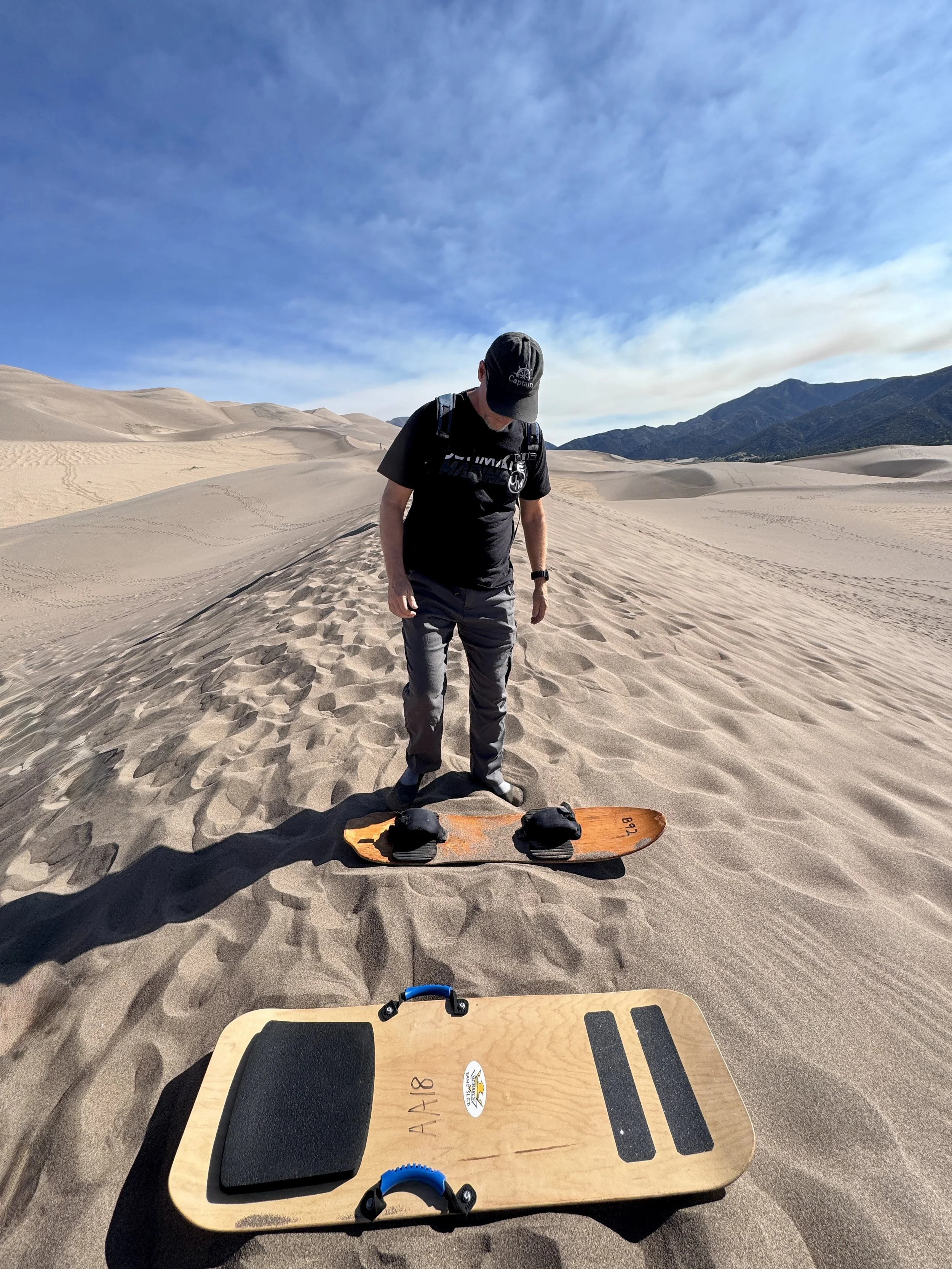
Steve getting ready to go
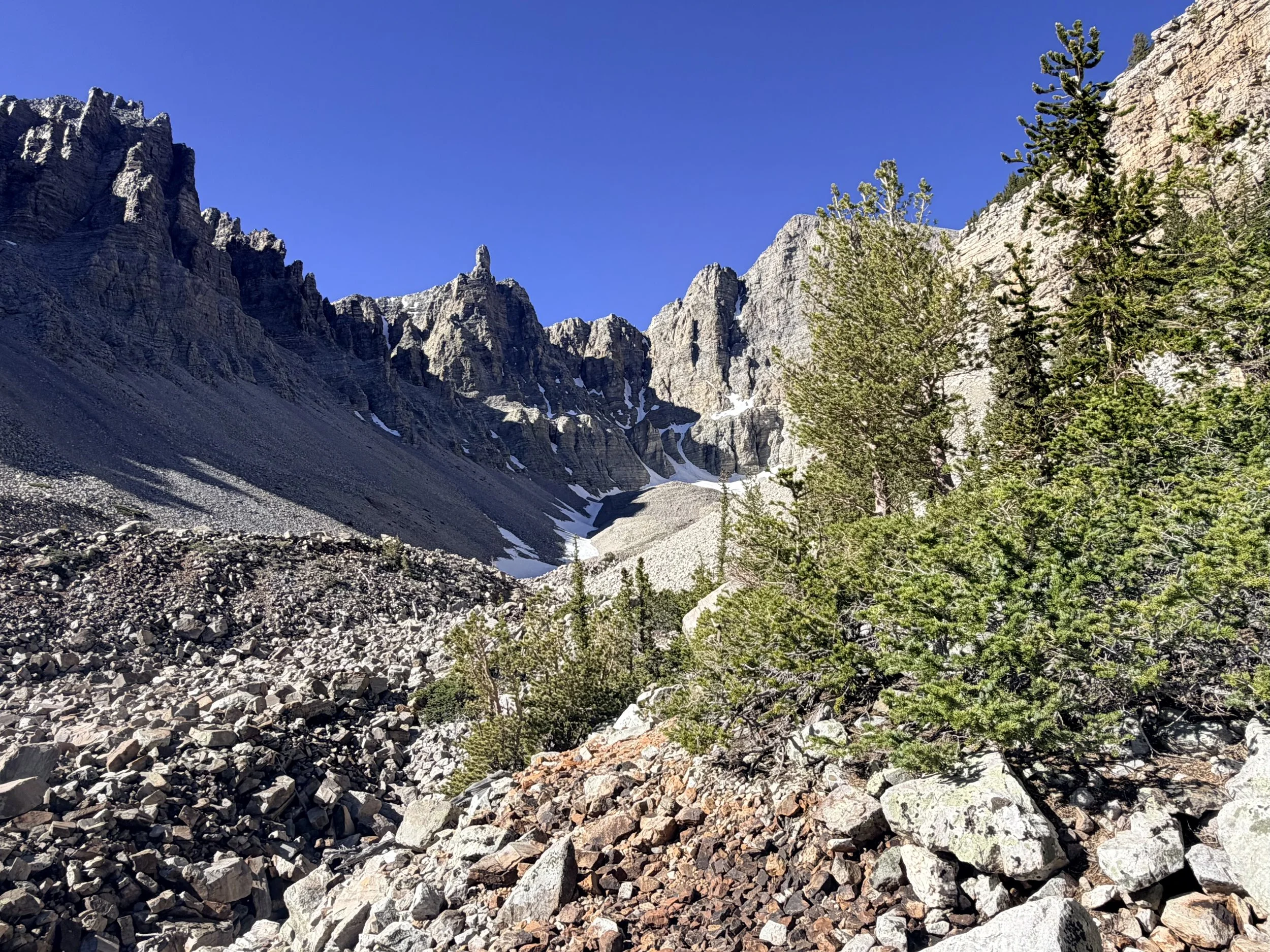
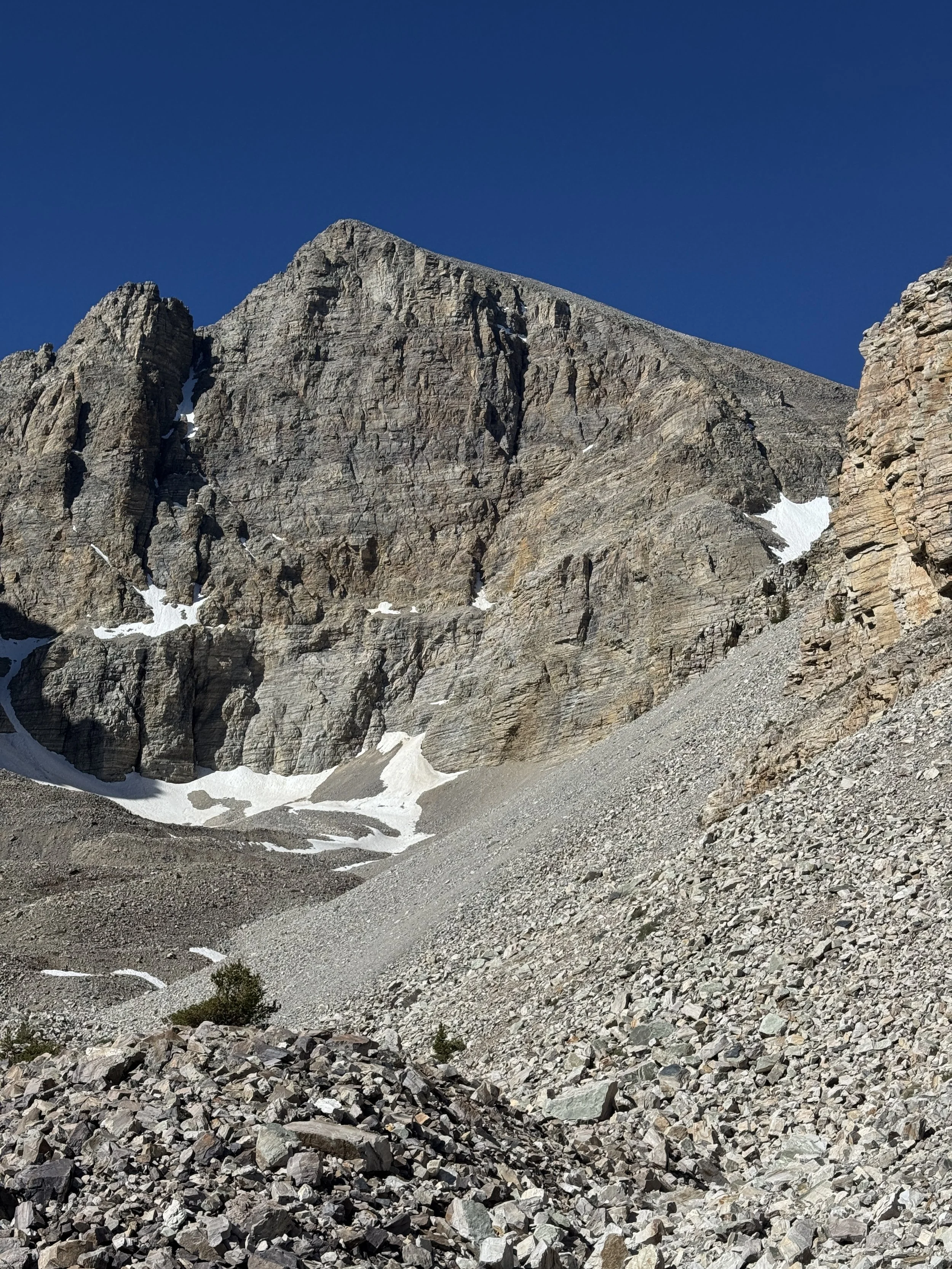
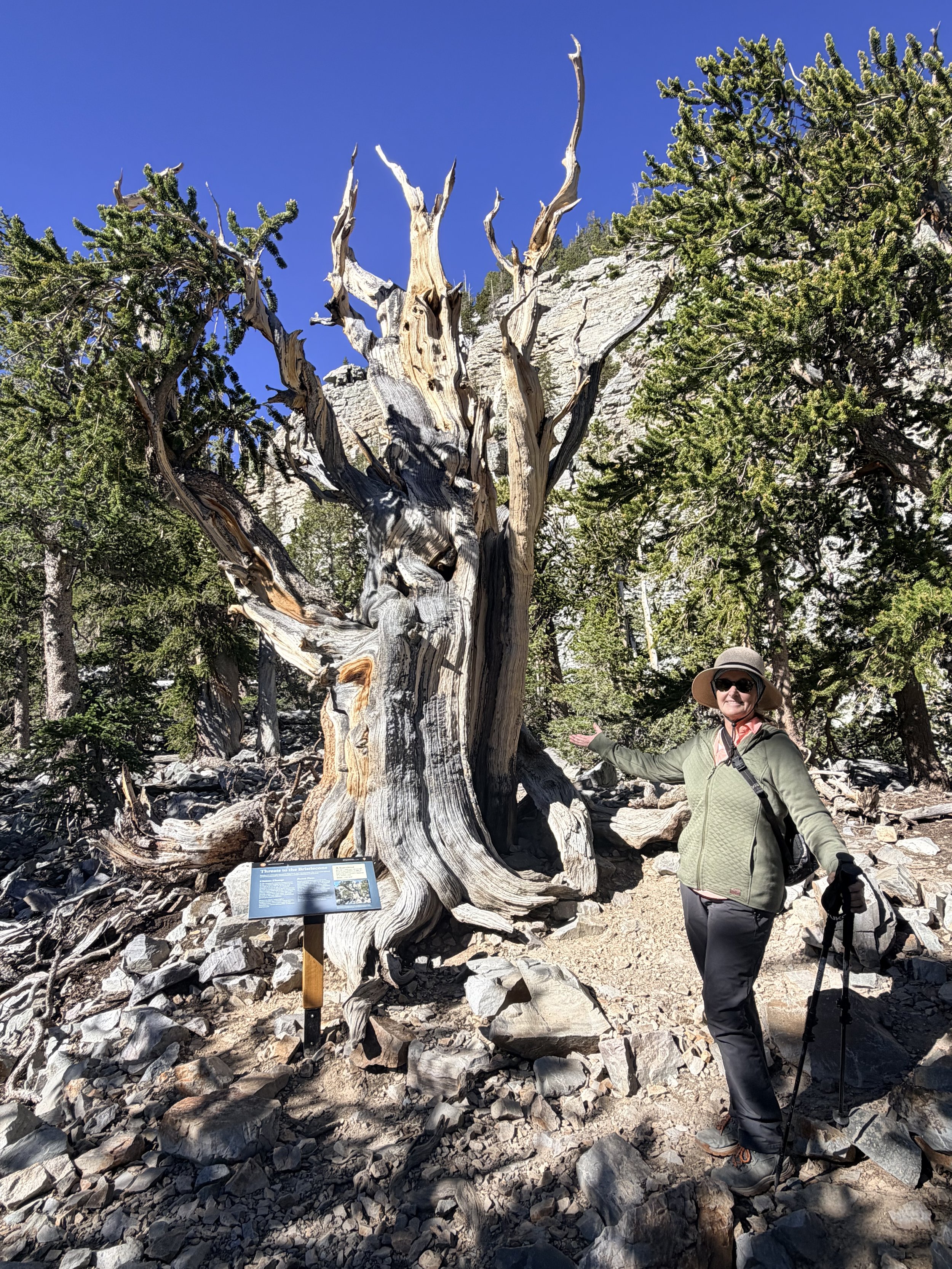
The other park, Great Basin National Park, gets its name from the fact that water in this “basin” has no outlet to the sea. The park itself covers about 120 square miles of the larger 200,000-square-mile Great Basin region and includes a surprising variety of landscapes, from desert floors to alpine peaks and even an underground cavern. While we were there, we did some hiking on the Bristlecone/Glacier Trail, and Steve also made the trek up Wheeler Peak. The Bristlecone Trail is a 1.4-mile one-way hike that leads to a grove of ancient bristlecone pines—remarkable trees that grow at elevations between about 9,500 and 11,000 feet and can live for thousands of years.
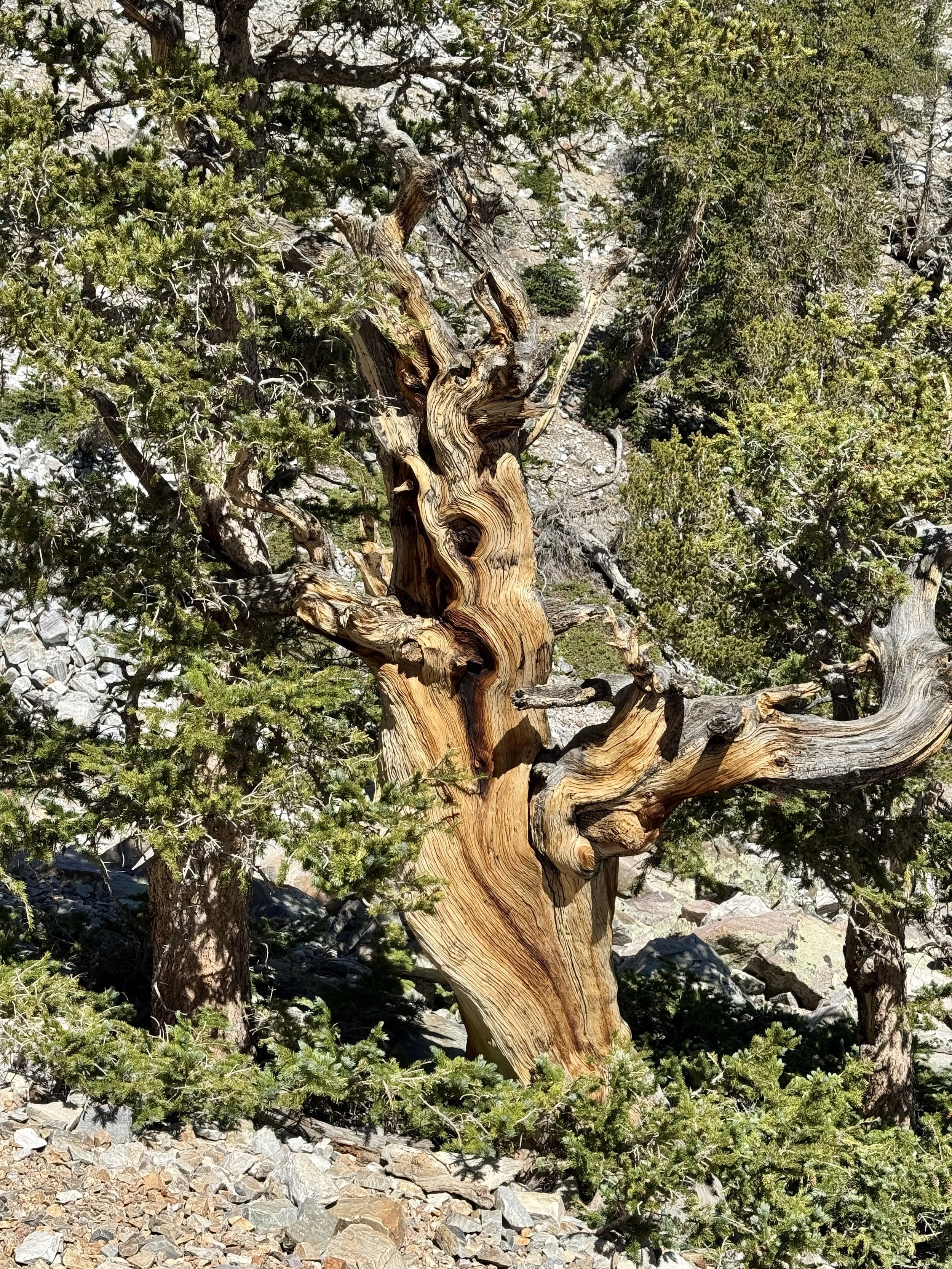
Bristlecone pine
From there, we continued another 1.5 to 2 miles, moving from forested trail to rocky boulder fields until we reached the Wheeler Peak Glacier, which is now more often referred to as the Rock Glacier since what you mostly see today is the rocky terminus rather than visible ice.
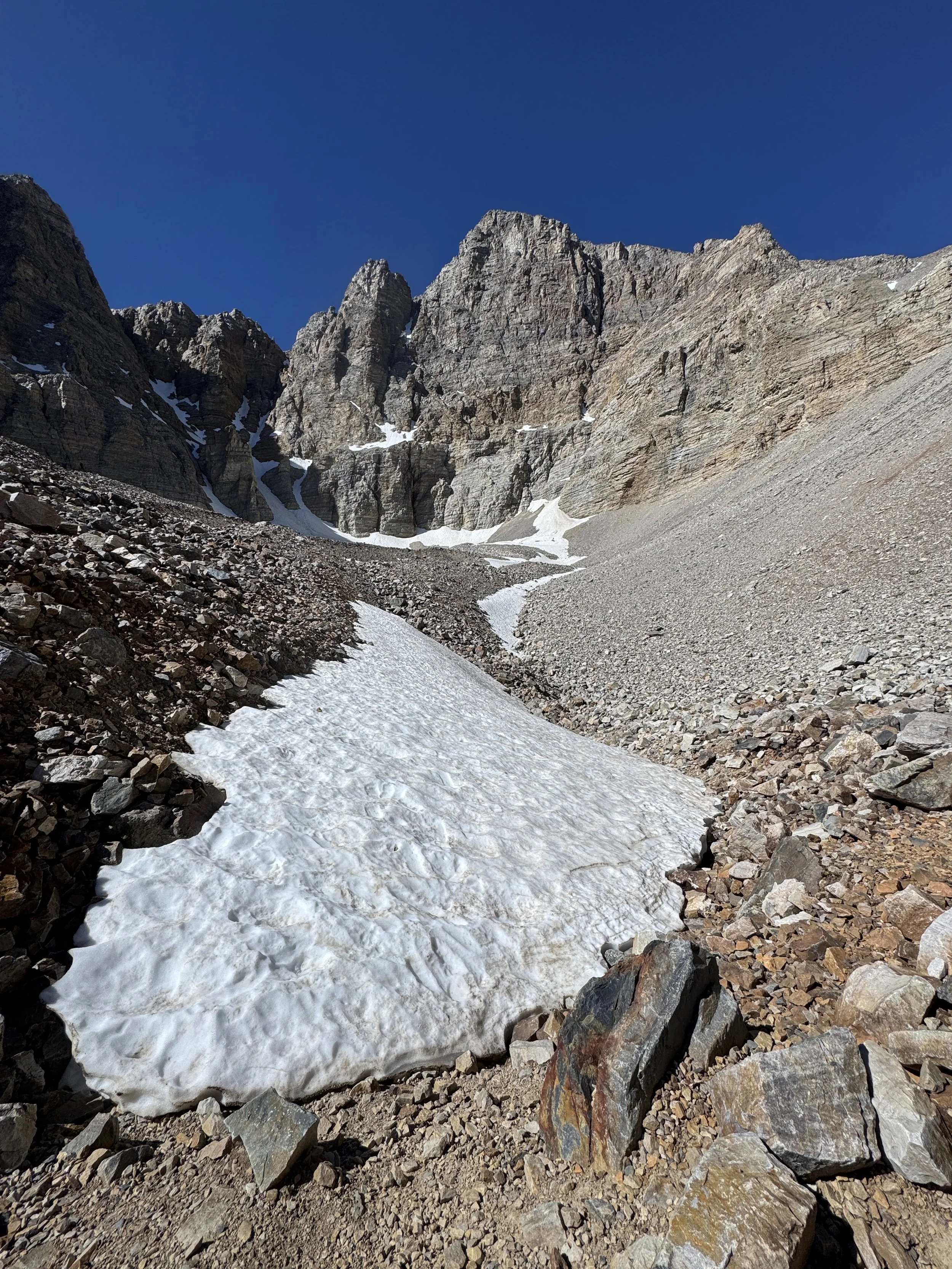
snow on the trail to Rock Glacier
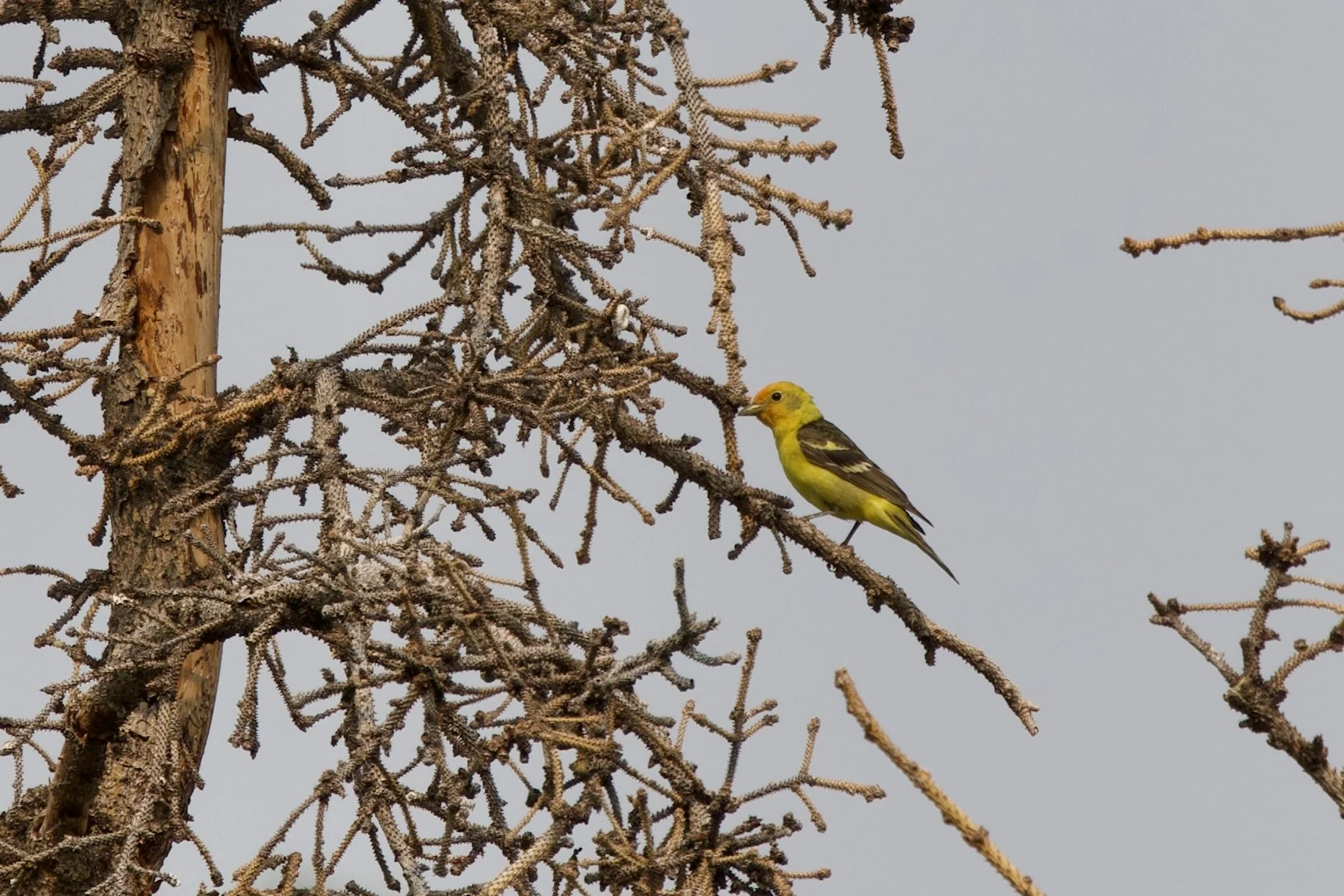
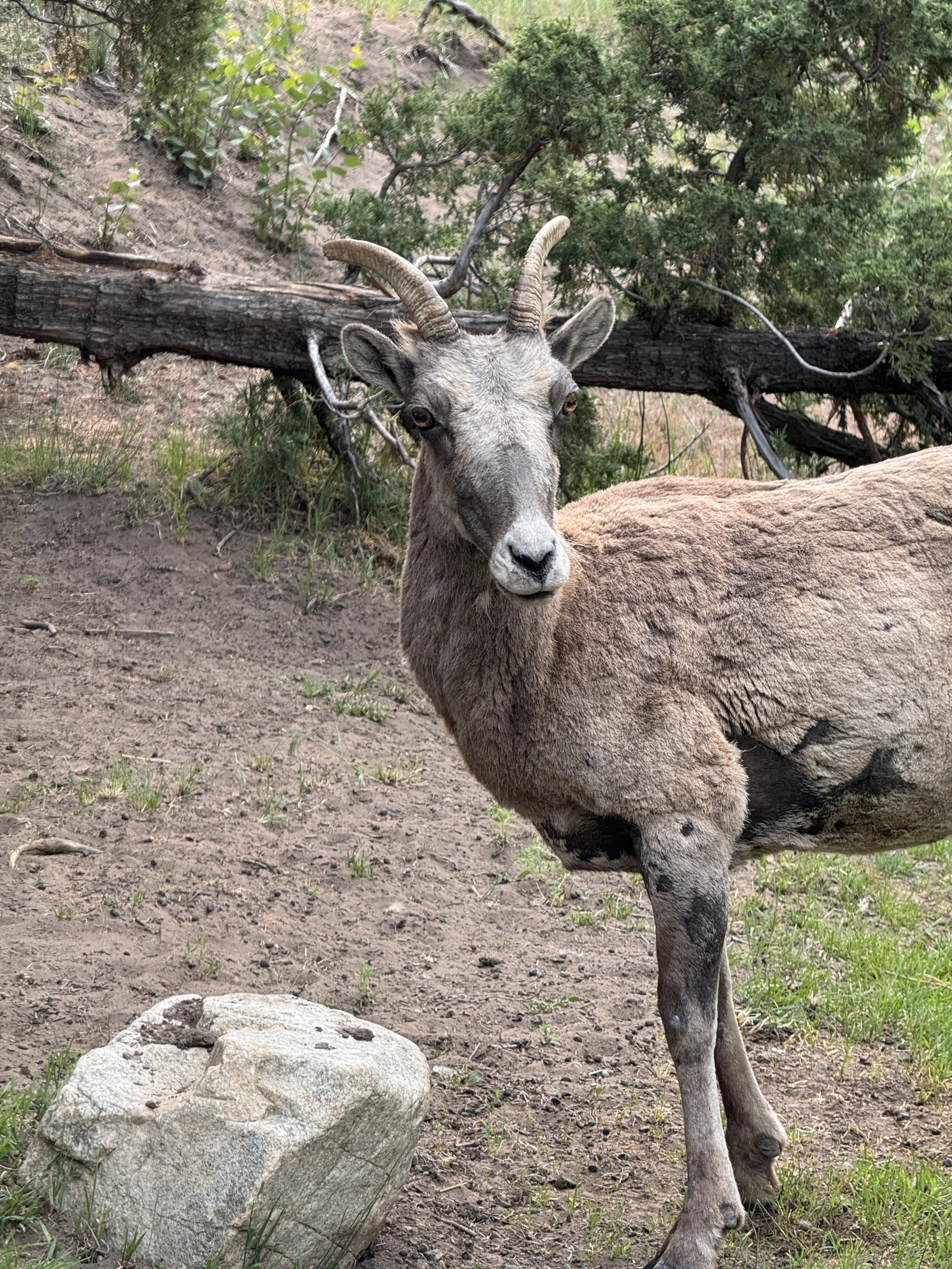
One of our favorite things to do in any national park is get off the beaten path, usually by taking our trusty Jeep Wrangler, Cruella, out on 4x4 dirt and gravel roads. In Great Sand Dunes National Park, we drove the Medano Pass Road, a 22-mile route believed to follow the path used by Zebulon Pike during his 1807 exploration of the region. The road climbs over Medano Pass at 10,040 feet and winds through sandy stretches while also crossing Medano Creek nine times along the way. The area is home to bighorn sheep, and we were lucky enough to come across two of them briefly blocking the road. We also spotted a mule deer, a beaver dam, and plenty of birds, including a striking Western Tanager.
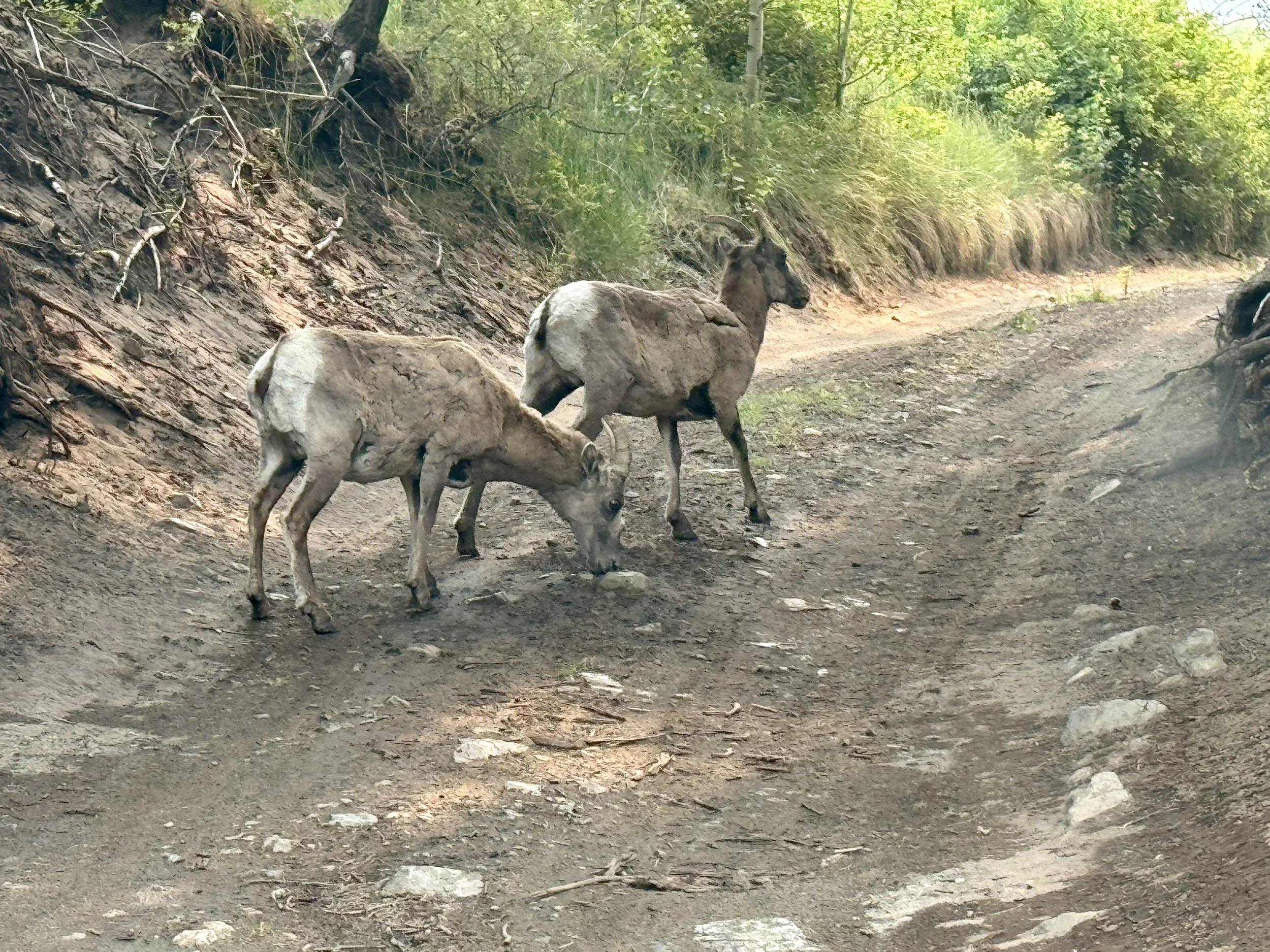
Bighorn Sheep roadblock
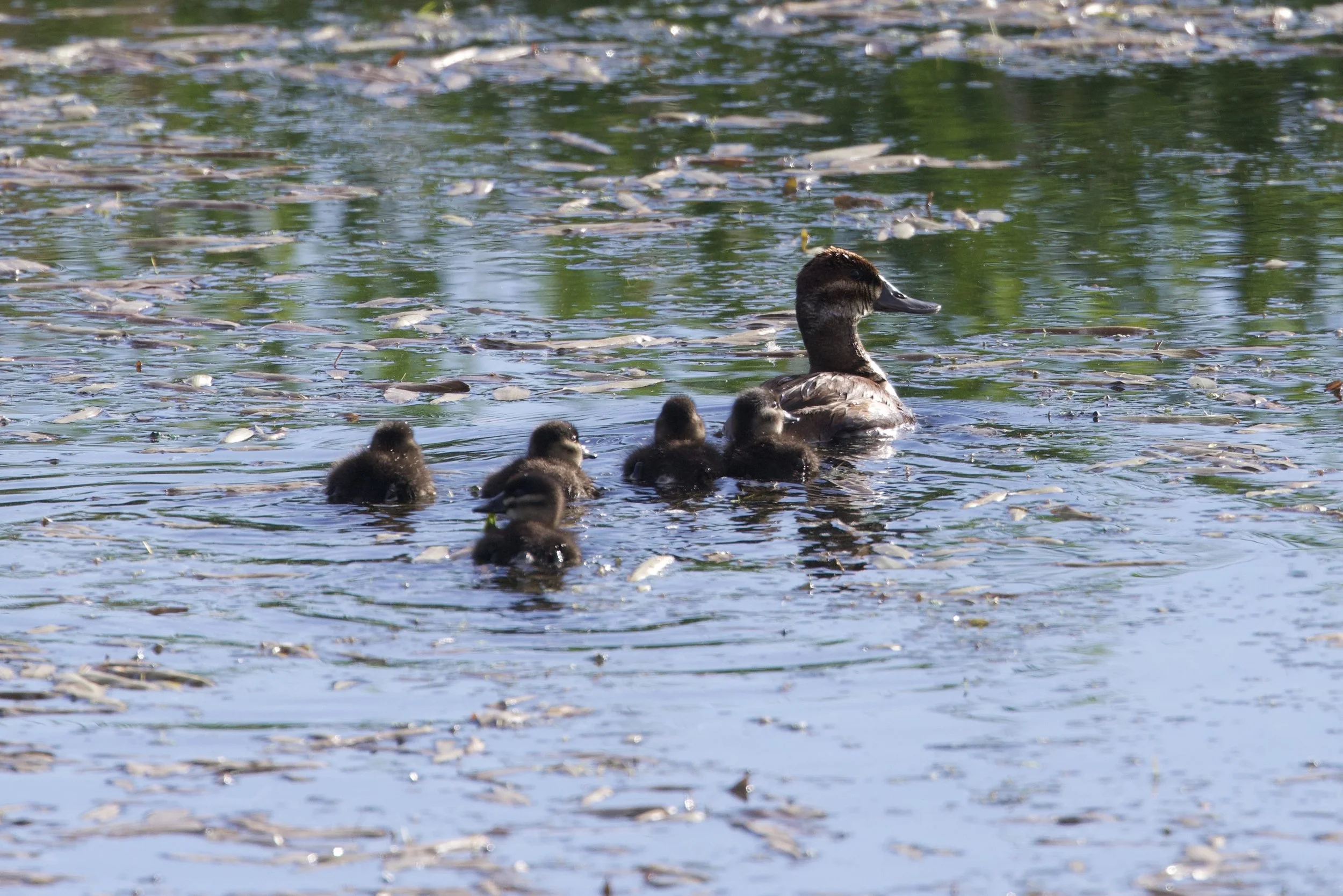
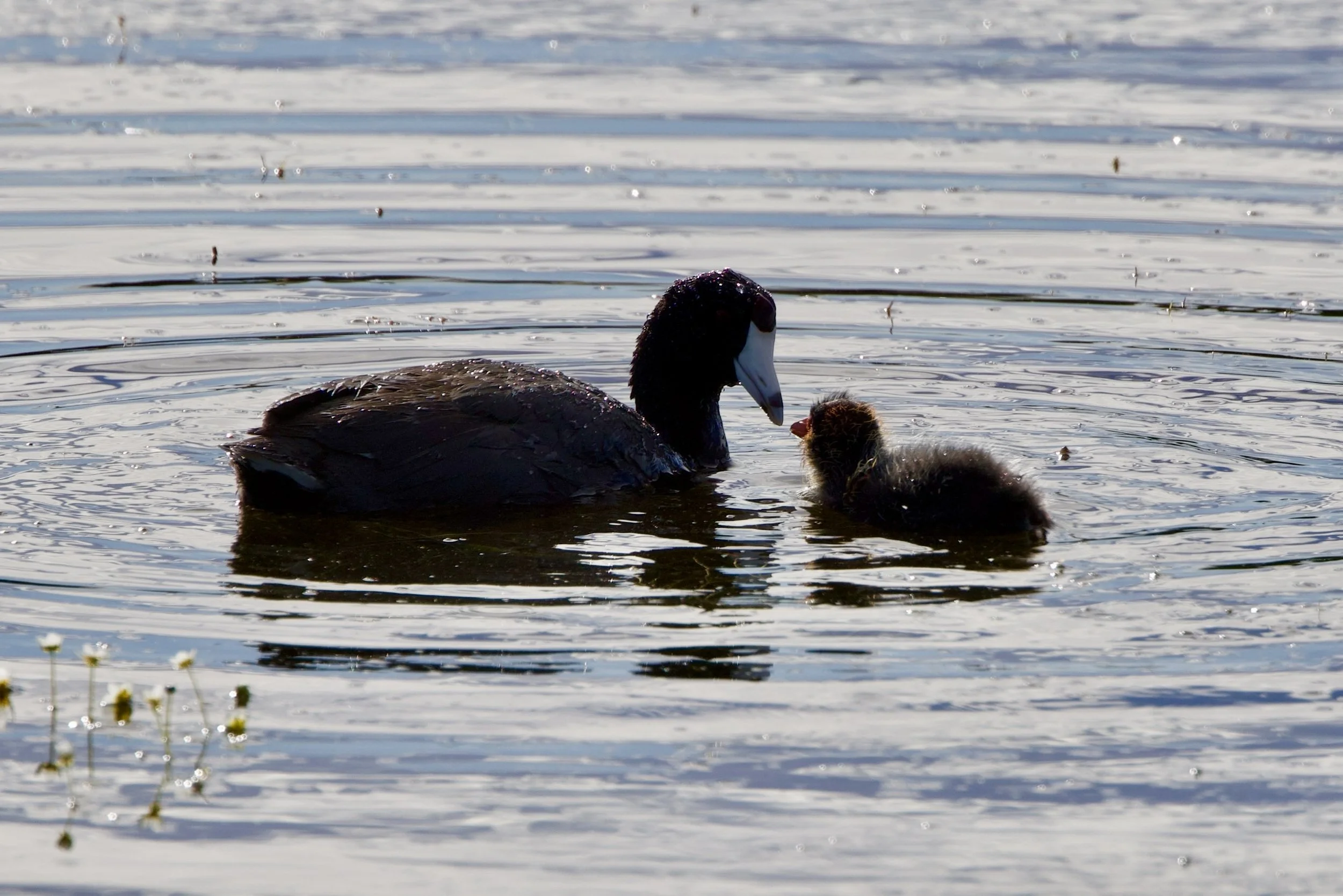
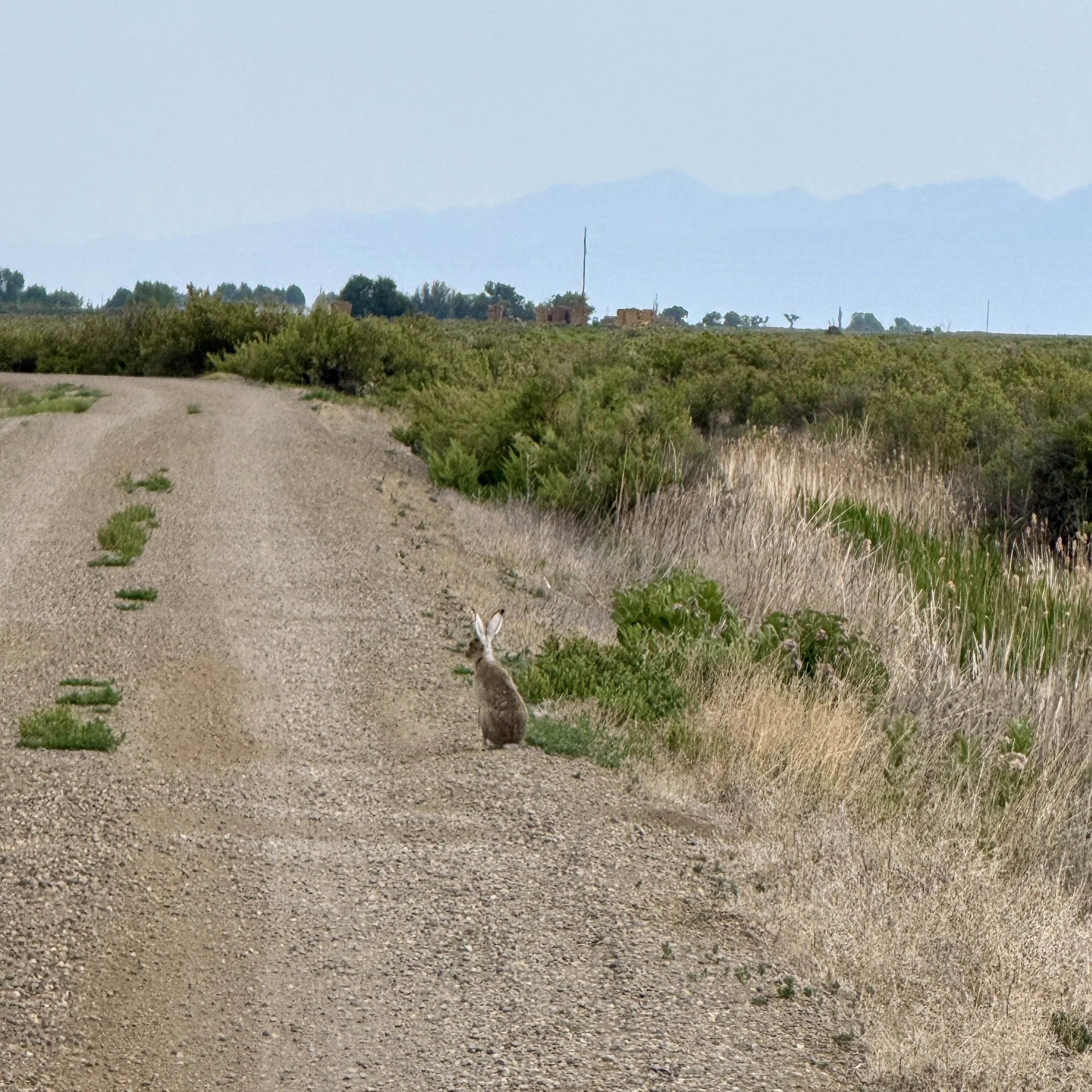
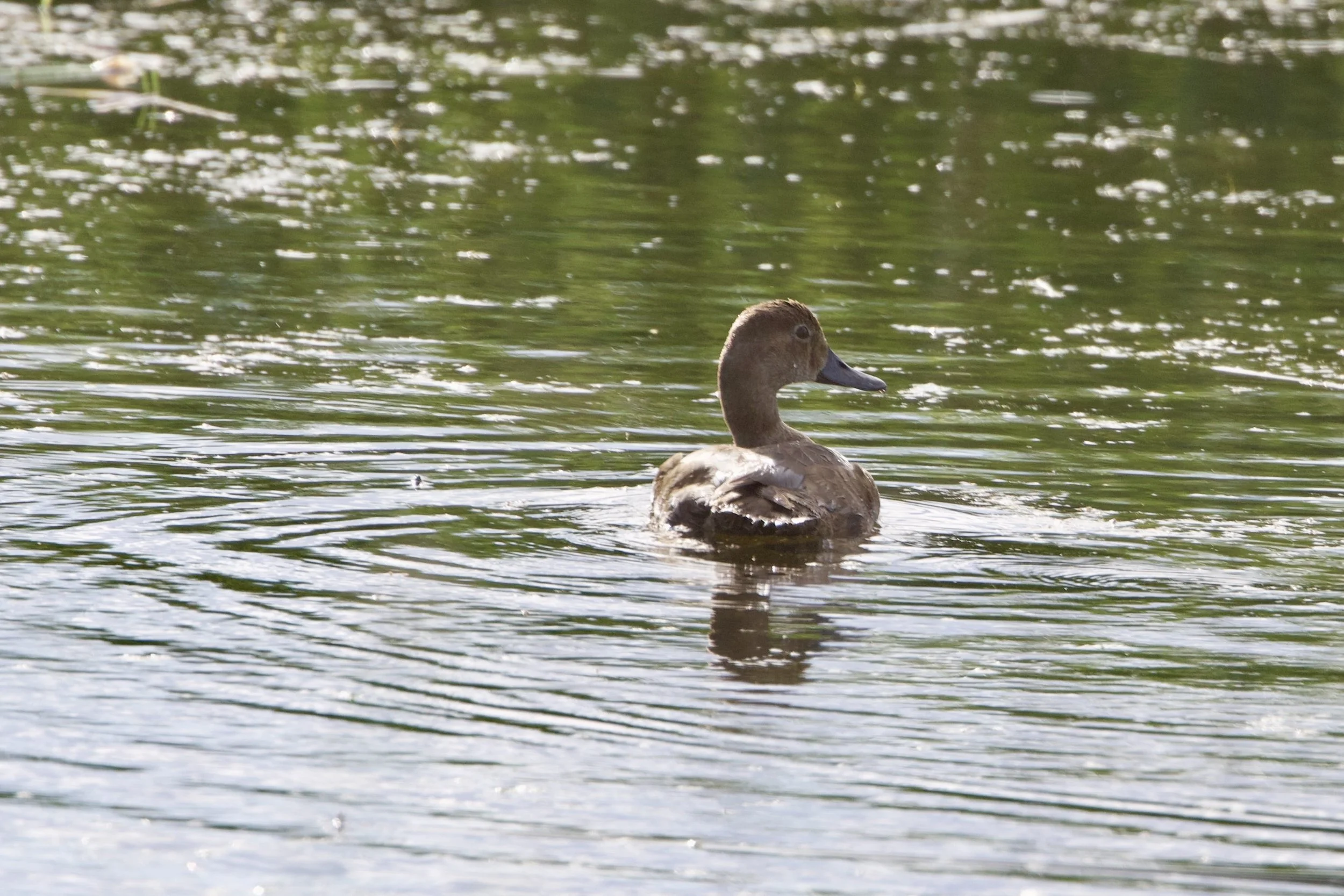
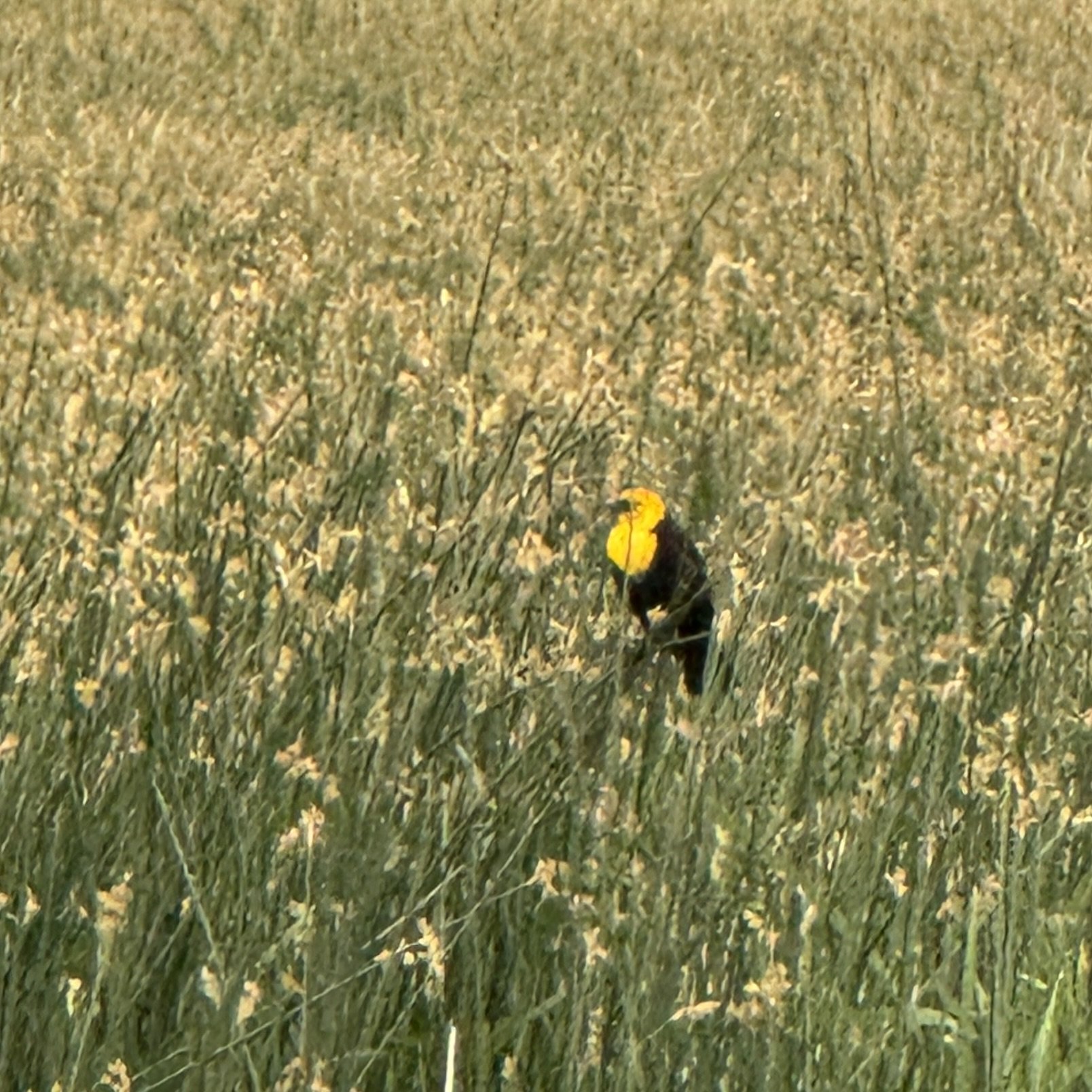
While visiting Great Sand Dunes, we spent two evenings driving the dirt roads through the Alamosa National Wildlife Refuge. In the marshy areas, we saw plenty of red-winged blackbirds and swallows, along with a striking yellow-headed blackbird. From the bluff overlook above the river, we were amazed by the sheer number of ducks gathered below, including ruddy ducks, American coots, and gadwalls among many others. We also caught a brief glimpse of two coyotes and even followed a jackrabbit as it darted along the road ahead of us.
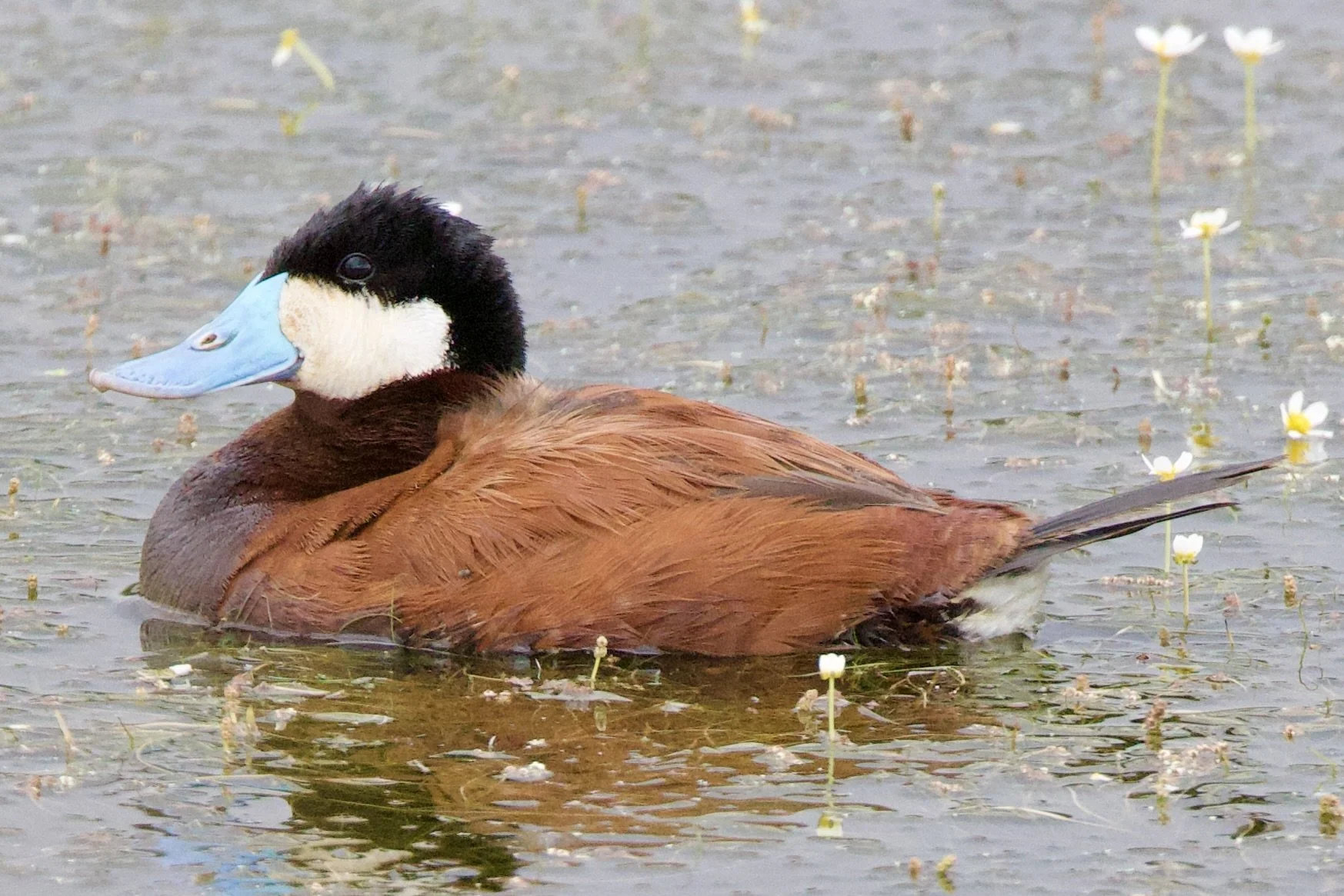
Ruddy Duck
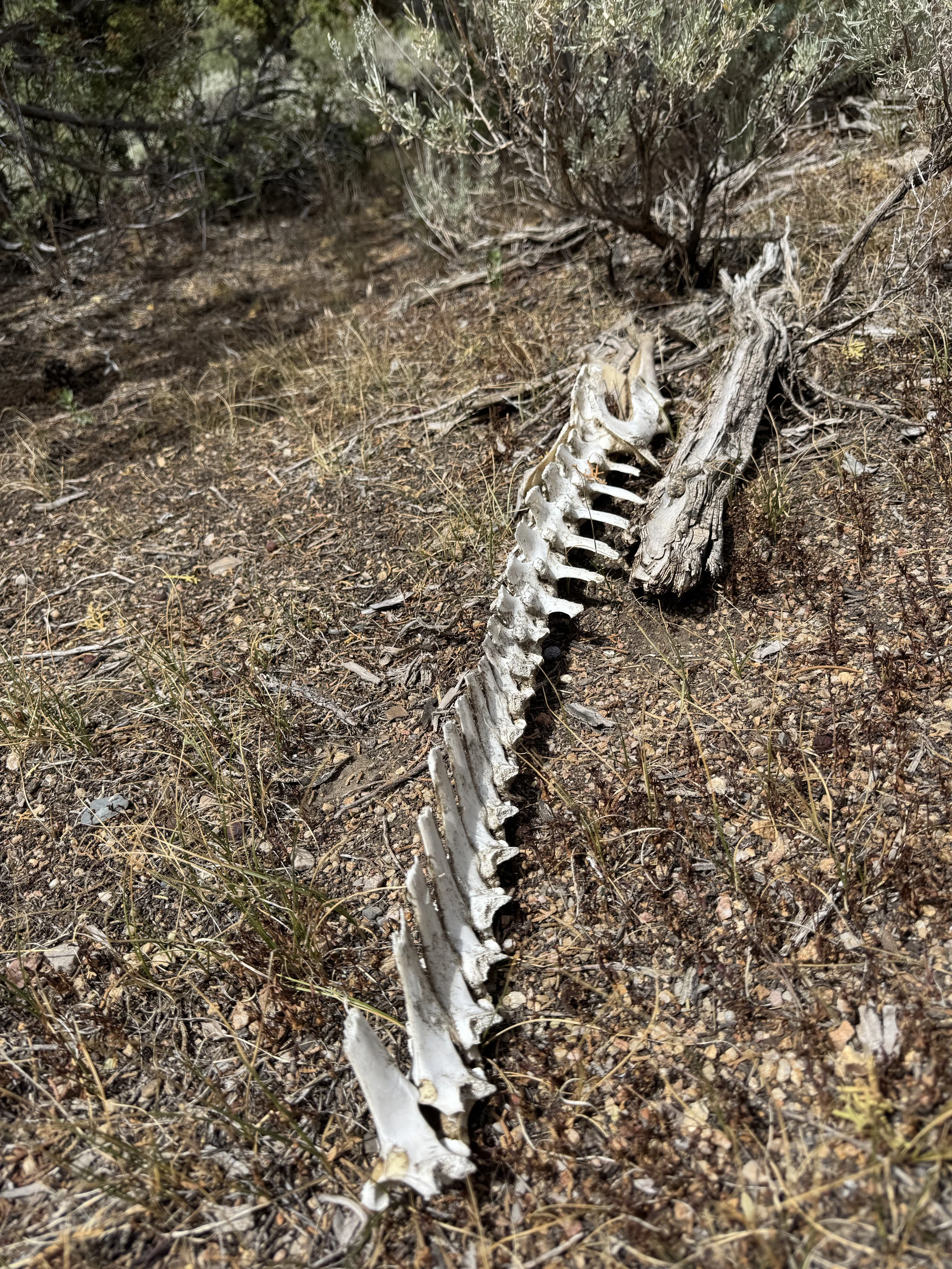
In Great Basin National Park, we headed out on Osceola Road in hopes of finding an old, abandoned mining town. While we did come across a few ruins that turned out to be on private property, we never quite found the town itself. Even so, the drive was still full of interesting discoveries. We found an old cemetery perched on top of a ridge, the remaining evidence of a vertical mine, and even the bones of a long-dead animal, all reminders of the area’s mining history and rugged past.
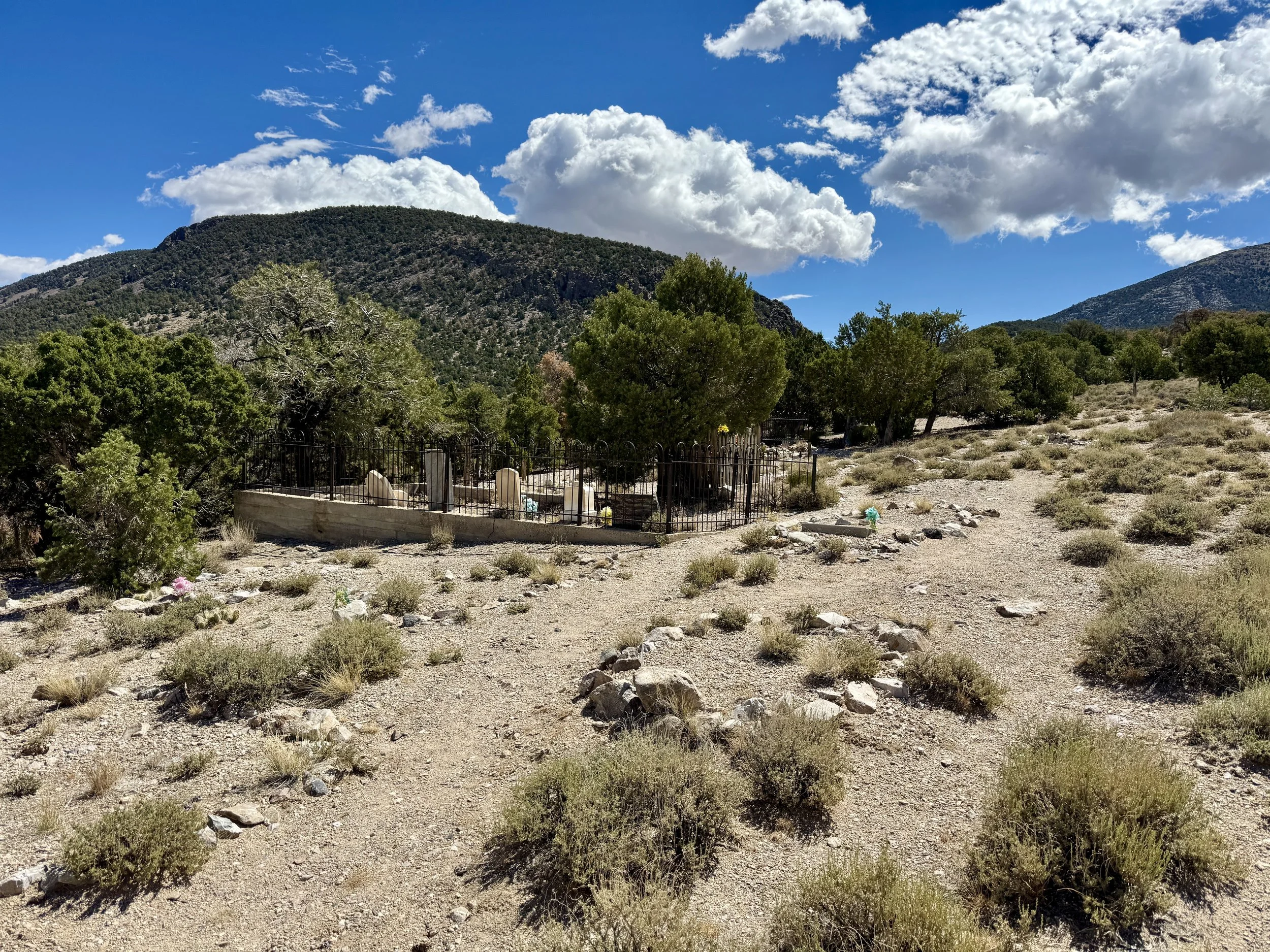
cemetery on ridge of Osceola Road
Another day, we drove from Great Basin National Park to the small town of Ely, about an hour away. It’s a very cute little town with some good restaurants and a relaxed, friendly feel. Just a short distance outside of town, we discovered Garnet Hill, an area where visitors are allowed to search for and keep garnets. Even though we weren’t prepared with proper digging tools, we decided to give it a try. While we didn’t find any large pieces, we did come across plenty of rocks with small flecks of garnet in them, which we brought back to the RV and broke open with a hammer in hopes of freeing more of the tiny crystals. We didn’t have much luck, but it was still a fun way to spend an afternoon exploring and trying something a little different.
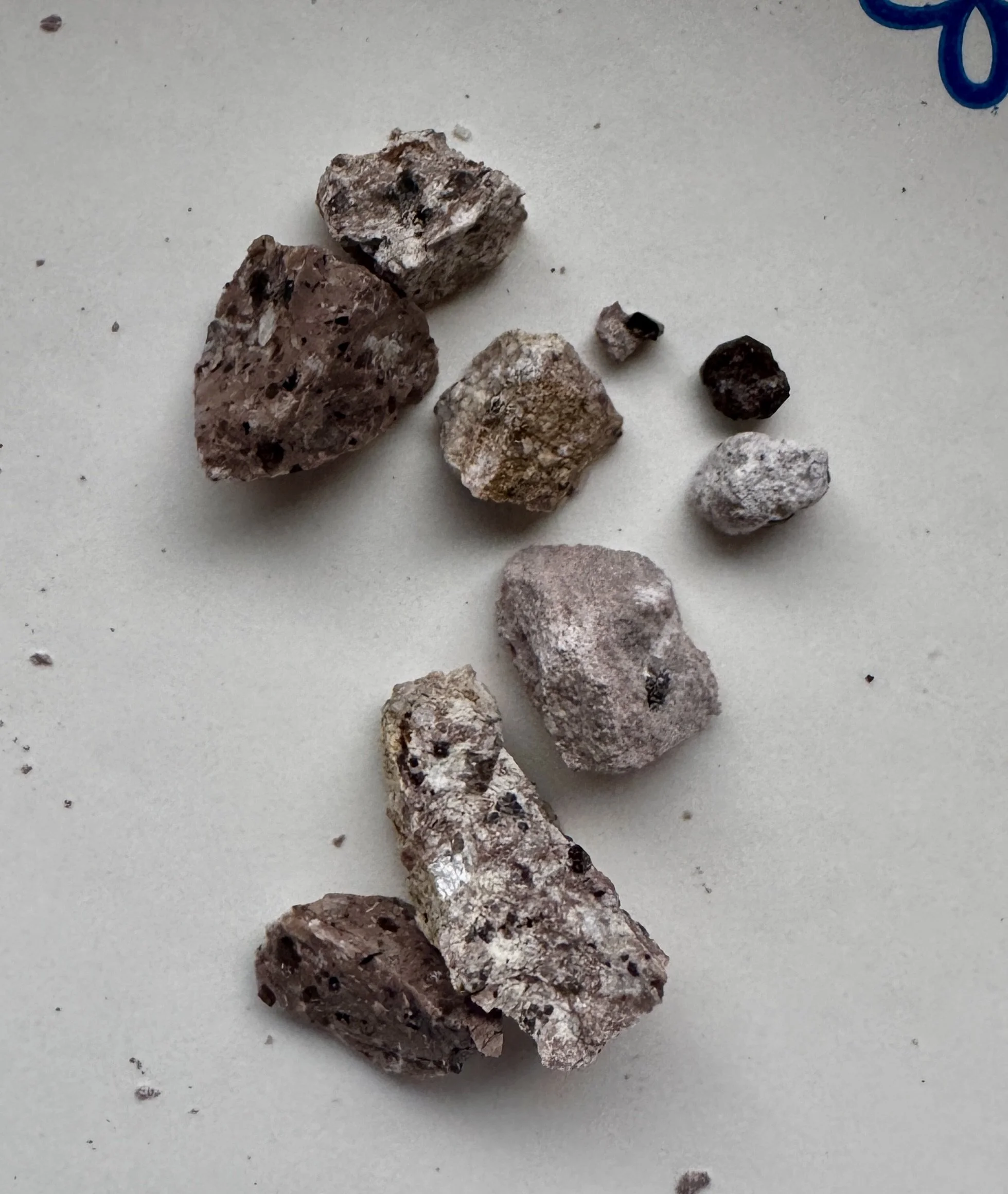
rocks with small garnet crystals
And so our travels continue as we head west toward many of the National Parks in California, excited for the next stretch of our journey and all the new places still waiting to be explored.